Fish migration patterns hold great significance for recreational anglers and outdoor enthusiasts. Understanding fish migration patterns—why fish move, when they do, and how their migration changes—can unlock a treasure trove of fishing opportunities. These movements, influenced by seasonal changes, breeding habits, and environmental triggers, offer vital clues for eager fishermen to increase their catch rates and enjoy the wonders of nature.
Decoding Seasonal Fish Migration Patterns
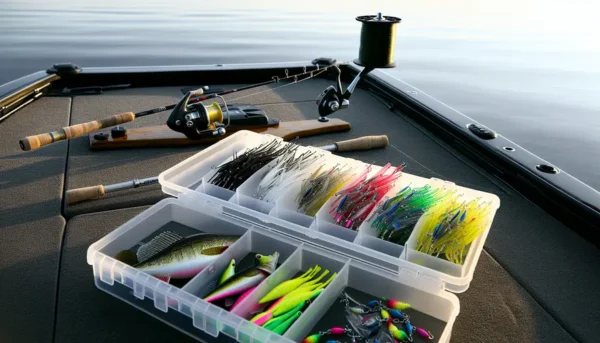
Seasonal changes significantly influence fish migration patterns, guiding species along routes they have followed for centuries. As water temperatures shift with the season, so do the fish. In spring, warmer waters trigger spawning migrations in species such as bass and walleye. These fish move from deeper lake areas to shallower, warmer waters near the shore or river inlets. Your approach to tackle should mimic natural bait typical of the new season. During spring, try using soft plastic lures that mimic minnows or worms to entice these eager feeders.
Fall brings another migration as fish seek deeper waters where temperature stability and oxygen levels better suit survival. This period is prime for anglers targeting fish like salmon making their run upriver. Look for runs in areas like the Kenai River in Alaska or the Columbia River. For these species, spoons and spinners designed to mimic the flash of smaller fish can be effective tools.
Utilizing Environmental Cues to Understand Fish Behavior
Factors like weather, water level, and clarity significantly influence fish migration patterns. Rain can increase the flow in rivers and streams, prompting runs of salmon and trout as they sense heightened conditions. Around the Great Lakes tributaries, these conditions lure fish upstream to spawn. Anglers should take advantage of overcast skies and rising barometric pressure; these elements can augment feeding activity.
Water clarity is another important factor. In murky or muddy water, fish rely on their lateral lines to sense movement. Under such conditions, fishing with lures that create vibrations or have a distinctive silhouette, like swimbaits and jigs, can increase success. Understanding how these environmental factors affect fish migration is crucial in selecting fishing strategies.
Lure Choices and Techniques for Migratory Fish
Success in fishing often hinges on the right gear choice. When targeting migratory fish, select lures that closely resemble the forage species native to the region during that time of year. For example, during spring migrations, crankbaits that imitate shad or sardines can prove invaluable as these mimic common prey items.
An informed choice in lure color and type is also essential. Bright colors work well in low-light or stained water conditions, while natural colors suit clear water better. Seasonal knowledge combined with regional specifics, such as blueback herring migrations in the Southeast U.S., can guide an angler’s selection of topwater lures like pencils or walking baits in evening and morning settings.
Prime Locations and Local Hotspots
Being aware of local fish migration patterns enables anglers to find the best fishing locations. Understanding the paths certain fish take on their spawning runs can change the game. In the Pacific Northwest, the rush of salmon towards spawning grounds provides exciting opportunities in rivers like the Rogue or Snake.
Elsewhere, striped bass migrations along the Atlantic coast offer superb opportunities from the surf, with hotspots around Rockaway Beach and Montauk. Awareness of underwater structures such as ledges and drop-offs allows anglers to position themselves optimally where fish congregate. Planning trips around peak migration times and known local hotspots can dramatically improve an angler’s chances of a rewarding catch.
Safety and Boating Tips for Following Migratory Routes
Following fish migration patterns often necessitates navigating various waterways, which can present its own set of challenges. Safety must always be a top priority. Ensure your vessel is in prime condition and fully equipped with safety gear such as life vests, flares, and first-aid kits before setting out, especially when traversing river systems during high-flow migration peaks.
Be mindful of navigation markers and tide tables when fishing off coastal areas. Kayakers should be cautious about tidal shifts that might affect their return journey. When fishing from shore, secure footwear with good traction to manage wet and uneven terrain.
Fishing on a boat chasing salmon on their epic journeys or casting from the shore along a bass migratory path allows an exploration of nature’s rhythms. Armed with knowledge and the right gear, your experience on the water can provide insight into wildlife behavior and offer rewarding adventures.