When it comes to bass fishing, selecting the best bass fishing gear is crucial for success. From the sun-drenched coasts of Florida to the tranquil lakes of Minnesota, anglers of all ages pursue this exhilarating sport. Whether casting from a boat or along the shoreline, this guide provides essential gear selections and strategies for a competitive edge, tailored for both newcomers and seasoned veterans.
The Rod and Reel Setup
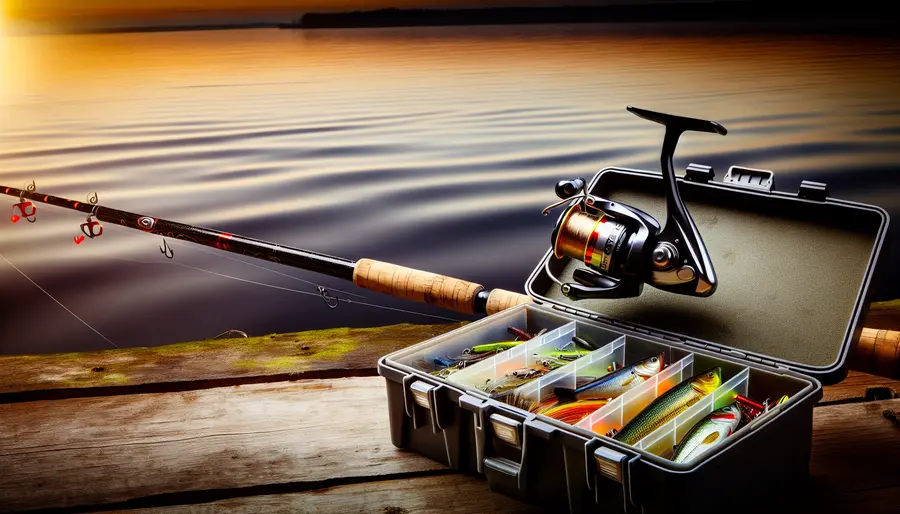
Choosing the right rod and reel can greatly boost your success rate in bass fishing. For largemouth bass, a medium-heavy rod with a fast action is ideal, providing the sensitivity needed to detect bites and the strength to reel in larger fish. Pair it with a top-quality baitcasting reel for precision and control, allowing you to cast into the dense cover where bass often hide.
In areas with smaller fish like spotted bass, a spinning setup with a medium-light rod is preferable. This combination supports lighter lines and smaller lures, particularly effective in clear water or when targeting smaller prey. Brands such as Shimano and Abu Garcia offer reliable reels known for their balance of strength and smooth operation, perfect for a day on the water.
Lure Selection Tips
Selecting the right lure involves both science and creativity. Understanding seasonal patterns, fish behavior, and water conditions is essential. During spring, when bass are spawning, soft plastic lures like Senkos and creature baits perform well when slowly dragged across gravel bottoms where fish nest.
In summer, early mornings or late evenings may call for topwater lures like poppers or frogs, as bass feed near the surface. Come fall, reaction baits such as crankbaits or spinnerbaits are effective because bass actively chase schooling baitfish. In winter, slower presentations with jigs or suspending jerkbaits work well to tempt sluggish bass.
Understanding Fish Behavior and Water Conditions
Grasping fish behavior is key to choosing the best bass fishing gear. Bass, being opportunistic predators, change feeding patterns based on weather, water clarity, and temperature. On sunny days, they often seek shaded areas or deeper water, striking at baits resembling easy prey.
In murky or stained water, especially after rain, use lures with more vibration and bright colors to capture attention. Contrarily, in clear water, natural-colored baits that mimic local forage, like shad patterns, are typically more effective. Mastering these nuances can distinguish between catching a trophy fish and leaving empty-handed.
Boating and Kayaking Setups
For boating enthusiasts, equipping boats with the best bass fishing gear is crucial. Fish finders, quality trolling motors, and organized tackle systems are essentials. Electronics by Garmin or Lowrance assist in locating fish-holding structures and tracking schools of fish, thereby enhancing your success rate.
Kayakers should adopt compact, lightweight gear. A good trolling rod holder and waterproof storage systems are invaluable. Pedal-drive systems or hand paddles free up hands for casting and reeling, enhancing efficiency on the water.
Shoreline Fishing Strategies
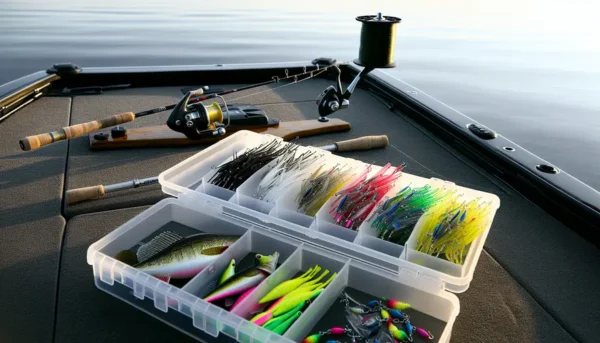
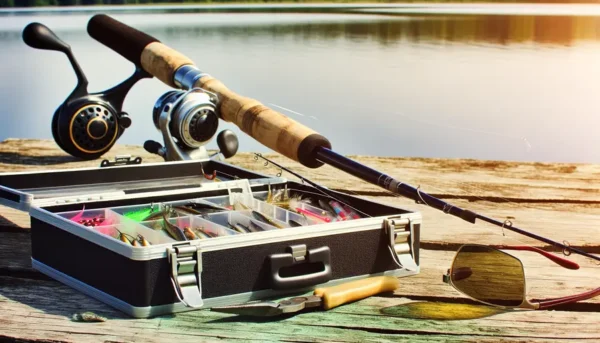
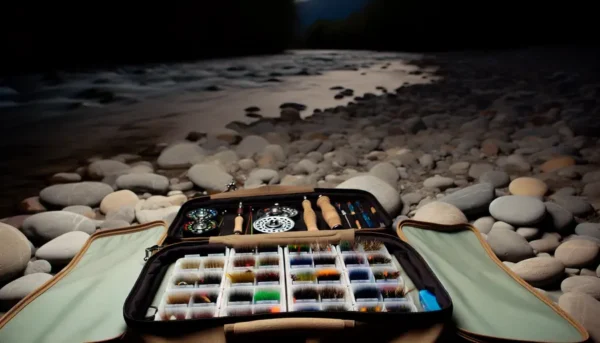
Shoreline anglers face unique challenges that demand adaptable gear. Portability and versatility are key when selecting the best bass fishing gear for shoreline use. Telescopic rods or multi-piece setups offer easy transport, while a versatile tackle box with a variety of plastics, jigs, and topwater baits helps one adapt to various scenarios.
Reading the water from shore involves observing clues like ripples indicating fish activity or changing water colors suggesting deeper channels. Natural structures, such as fallen timber, overhanging limbs, or rock piles, often serve as ambush points for bass. Casting during early morning or late afternoon, when bass feed actively, can yield excellent results.
Safety and Conservation
While the thrill of the catch is undeniable, safety and conservation are paramount. Wearing a life jacket is necessary, whether on a boat, kayak, or fishing from shore. Always check the weather forecast before heading out and have a plan for reaching safety if conditions change.
Conserving bass populations ensures the sport’s longevity. Practice catch and release and use barbless hooks to minimize harm to fish. Adhere to local regulations to maintain healthy fish stocks and enhance the angling experience for everyone.
As you head to renowned locations like Lake Okeechobee in Florida or Lake Guntersville in Alabama, use these expert insights and gear selections to enrich your bass fishing adventure. With the right gear and a strategic approach, limitless experiences await on these waters.