Fishing Laws by State: The thrill of angling isn’t just about casting lines into serene waters; it’s a delicate dance of knowledge and preparation. Understanding fishing laws by state is as crucial as tying the perfect knot or selecting the right lure. Each state boasts its own set of regulations designed to preserve aquatic ecosystems while ensuring that anglers continue to enjoy bountiful waters. Whether you’re a seasoned veteran gearing up for a cross-country fishing expedition or a beginner eager to fish responsibly while vacationing, navigating these laws is pivotal for a seamless experience.
Understanding Fishing Laws by State
Fishing laws go beyond just catch limits. They guide you on when and where you can fish, what species you’re allowed to target, and the types of gear permitted. In many states, these rules change seasonally, reflecting fish populations and migration patterns. For instance, in Minnesota, certain lakes have open seasons for northern pike, while others restrict fishing during spawning to safeguard future populations. Checking the latest regulations online or at local bait shops can save you from fines and ensure compliance with conservation efforts.
Real-World Examples: Fishing Laws Across Different States
Let’s dive into scenarios where understanding fishing laws by state becomes essential. In Florida, known for its saltwater fishing, anglers must differentiate between federal and state waters, each with its own rules. Red snapper, a highly sought-after species, requires a permit and has specific open seasons that differ between jurisdictions.
Heading north, Michigan’s Great Lakes offer robust fisheries but with unique stipulations. For example, only single-pointed hooks are allowed in some rivers during salmon spawning runs, reducing fish mortality. Meanwhile, Wyoming’s alpine lakes often require knowing which are catch-and-release only, protecting fragile trout populations.
Insider Angling Tips for Compliance and Success
Experienced anglers know that successful fishing trips hinge on the fine balance of skill, knowledge, and legality. Here are some insights:
- Seasonal Patterns: Fish species have distinct seasonal behaviors. Understanding these can help you plan trips in accordance with legal open seasons. Check regional patterns and align your fishing with these biological rhythms.
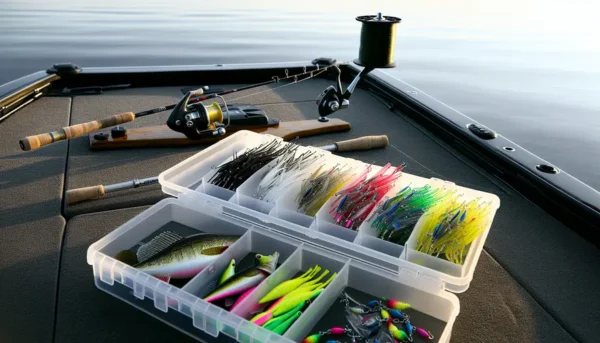
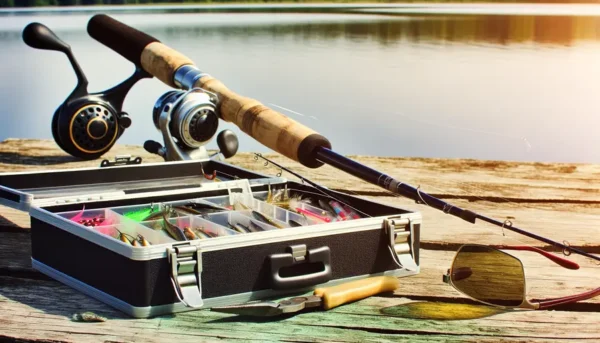
- Gear Selection: Some states have restrictions on bait types or mandate barbless hooks. Investigate what’s required to avoid infractions and enhance your catch-and-release success rate.
- Reading the Water: Observing water temperature, clarity, and flow provides clues to fish behavior. Adjust techniques accordingly, while following area-specific gear laws, to boost your success.
Gear and Tackle: Adapting to State Regulations
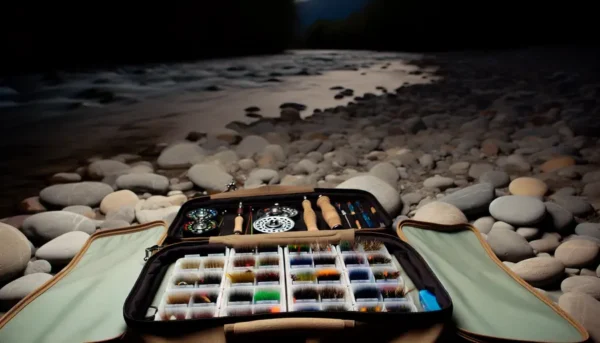
Having the right gear is essential for successful angling, and fishing laws by state play a key role. For kayak anglers in California’s kelp forests, knowing the correct rod length and permissible artificial lures can mean the difference between a big catch and a citation.
In Texas, where bass fishing is popular, knowing the rules surrounding tournament fishing is crucial. Artificial lures like crankbaits or spinnerbaits are popular, but regulations govern which lakes allow certain hooks or rigging during peak spawning seasons.
Fishing Sustainably: A State-Specific Guide
Fishing sustainably involves more than just following rules; it’s about ensuring the health of fish stocks. Anglers targeting lake trout in the Adirondacks of New York find that deep-water techniques, like trolling with downriggers, adhere to rules while increasing success without disrupting the ecosystem.
Using circle hooks in Louisiana’s bayous for redfish complies with regional regulations and also minimizes harm, increasing survival rates of released fish. In Alaska, using specific nets for salmon is crucial, as improper gear can harm juvenile fish migrating through the same waters.
Preparing for Your Next Fishing Adventure
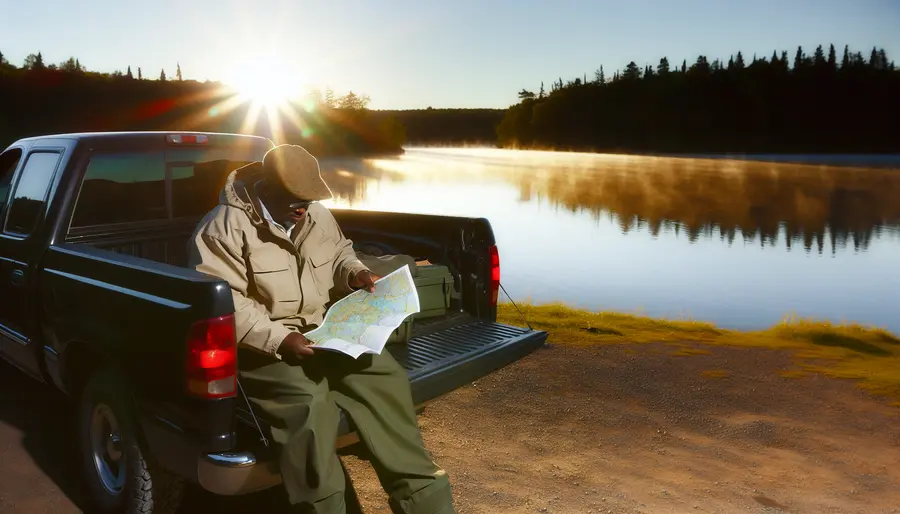
Your next fishing trip should be an adventure filled with anticipation, not anxiety over potential legal missteps. Before setting out, review the fishing laws by state in your intended destination. This preparation includes securing appropriate licenses, understanding specific body-of-water regulations, and checking for any emergency restrictions due to environmental concerns like drought or algae blooms.
For shore anglers or boaters alike, knowing local water conditions, weather impact, and available species prepares you for success. Engage with local fishing communities or online angler forums to gain insider knowledge of hotspots—where legal complexities meet piscatorial dreams, truly spectacular fishing experiences await those well-prepared.