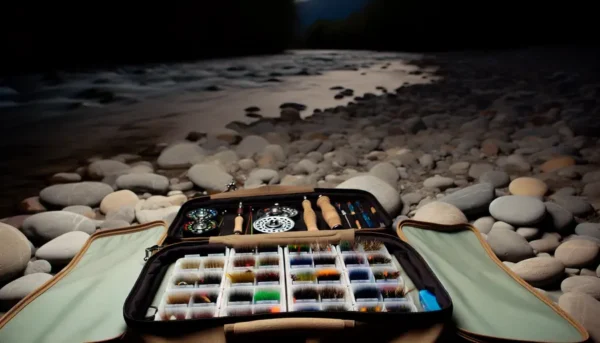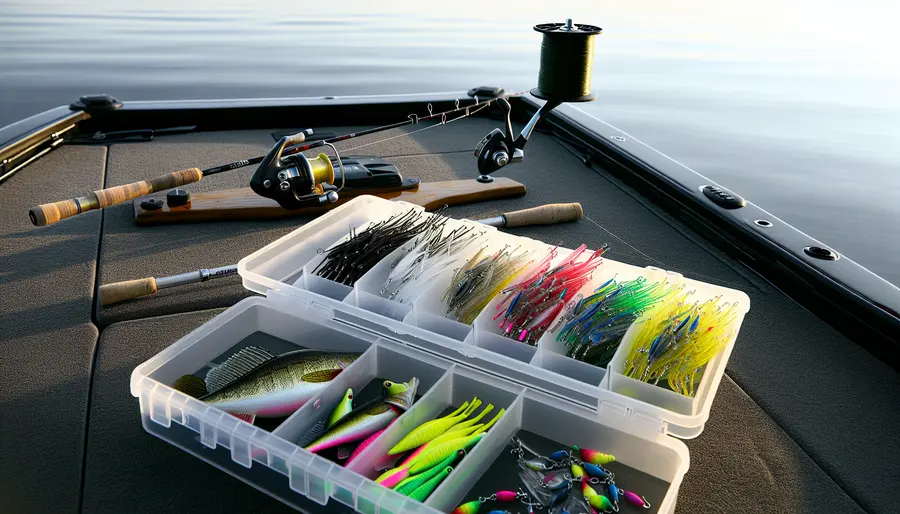
Walleye fishing gear is the key to a thrilling pursuit that has captivated anglers for generations, finding its charm in the twilight hours where the elusive predator lurks. Understanding the right fishing gear for walleye can mean the difference between a fruitful day on the water and a humbling encounter with the “one that got away.” In this article, we delve into the world of walleye fishing, unpacking the best techniques and equipment to ensure your tackle box is outfitted for success.
Essential Fishing Gear for Walleye
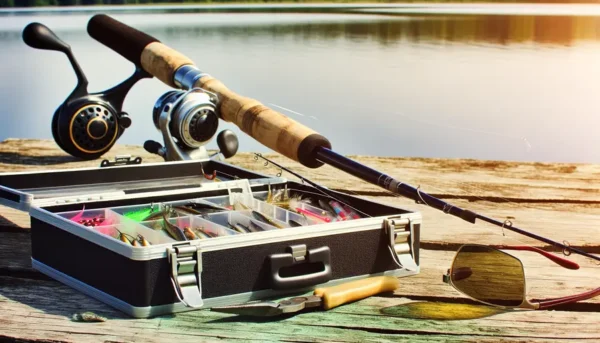
Having the correct fishing gear for walleye, specifically the right rod, reel, and line setup, is foundational. The delicate touch required to detect the subtle bites demands a rod of 6 to 7 feet with a medium-light action. This allows you to feel even the gentlest of nibbles. Pair your rod with a size 2000 to 3000 spinning reel to ensure smooth casting and retrieval, which is critical for working various baits effectively.
The line is equally important. Opt for a braided line in the 8-10 lb range. It offers superior sensitivity and the strength needed to land larger fish. Adding a fluorocarbon leader of around 10-12 lbs can be beneficial for its invisibility underwater, crucial for walleye, known for their keen eyesight.
Top Lures and Baits for Success
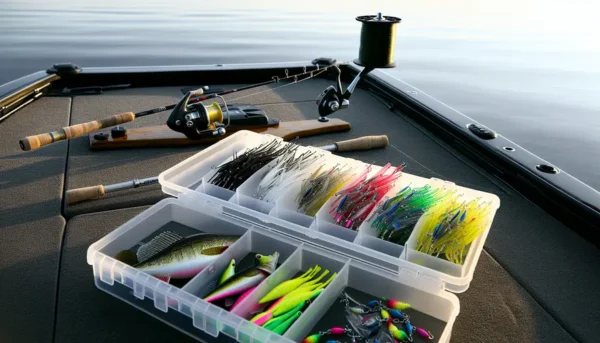
Understanding the behavior and diet of walleye can significantly influence your choice of lures and baits. During spring, when walleyes begin their spawn in shallow waters, jigs tipped with live bait like minnows or leeches are incredibly effective. Use chartreuse or bright-colored jigs, as these hues stand out in murky water.
In summer, walleye often move to deeper waters, chasing cooler temperatures. Crankbaits that mimic small baitfish or suspending jerkbaits can be particularly effective here. Trolling is popular during this season; using a crankbait in the 10- to 15-foot range can cover lots of water and find fish consistently. Brands like Rapala and Berkley produce some of the most reliable lures for this purpose.
Reading Water and Structure
Successful walleye fishing often boils down to reading the water effectively. Walleyes favor structures like drop-offs, submerged brush piles, and weed lines where they can ambush prey. Using a fishfinder can be instrumental in locating these structures and understanding the underwater terrain.
In river systems, focus on the edges of current breaks, as walleyes prefer these zones for the abundance of food brought downstream. Lake fishing may require a broader search pattern. Pay attention to wind direction, as it can push baitfish into certain coves, attracting the walleye.
Seasonal Patterns and Locations
Walleye fishing is not just about the gear you use but also about timing your trips with seasonal patterns. In Northern regions like Minnesota’s Lake Mille Lacs or Canada’s Lake of the Woods, ice-out marks the start of a fiercely competitive season. Here, anglers use slow presentations with jigs or small crankbaits.
As you transition into fall, when walleyes feed aggressively to prepare for winter, dragging live baits across deeper points can be particularly successful. Try areas like Lake Erie, renowned for its fall walleye runs, where expert anglers focus on rocky structures and warm water outflows.
Boating and Shoreline Fishing Strategies
Boating opens up vast sections of lakes and rivers, offering the opportunity to fish various depths and structures. For those fishing from boats, trolling along contour lines can reveal the most active zones. A reliable trolling motor and GPS can help maintain your course along these productive lines.
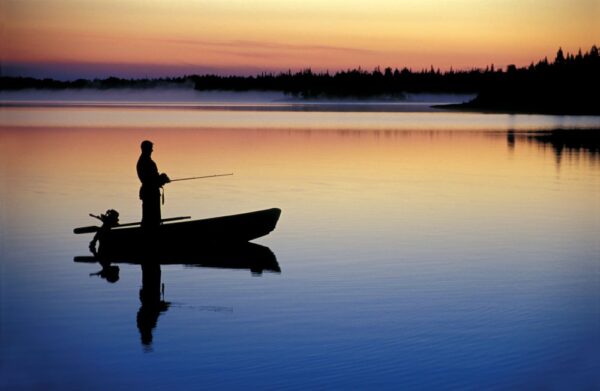
For shoreline anglers, focus efforts during the low-light hours of dawn and dusk for the best results, as walleyes venture closer to shore to feed. Cast parallel to the shorelines near known structures like docks or break walls, using suspending lures to mimic vulnerable baitfish. Don’t underestimate the power of simply casting from popular spots along Lake Winnebago’s shore in Wisconsin or the Ottawa River’s banks in Ontario.
Safety and Sustainable Practices
While excitement over a successful walleye catch is understandable, it’s crucial to prioritize safety and sustainability. Always equip your boat with life jackets, a first-aid kit, and a means to signal for help. Check the weather forecast to avoid getting caught in sudden storms, especially in larger bodies of water.
Practice catch and release with larger trophy-size fish to sustain the walleye population. Use barbless hooks for an easier release and minimize handling to protect the fish’s protective slime coating. Familiarize yourself with local regulations regarding catch limits and protected areas to ensure your angling has minimal environmental impact.
Fishing for walleye is an adventure that combines the thrill of the hunt with the serenity of nature. By understanding the right fishing gear for walleye and the techniques that accompany it, any angler can increase their chances of landing this prized fish. Whether you’re boating on expansive lakes or casting from a quiet riverbank, the right preparation will open up a world of possibilities and unforgettable memories.