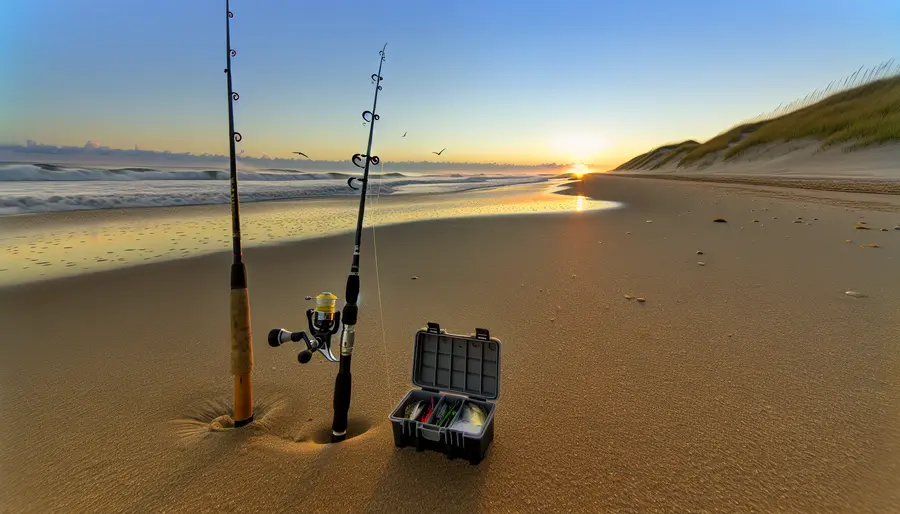
Beginner surf fishing is a cherished pursuit that combines the allure of the ocean with the thrill of the catch. For those seeking the excitement of fishing where the waves meet the shore, it offers a manageable entry into this rewarding pastime. Here, we explore essential elements to put novices on the path to success.
Understanding Surf Fishing Basics
Familiarity with the basics of beginner surf fishing is crucial. Surf fishing involves casting a baited line from the shoreline into the surf, where various species roam. It requires minimal equipment, providing an accessible choice for new anglers. Focus on essentials like a reliable rod and reel, terminal tackle, and bait. A 9-12 foot rod paired with a spinning reel suits most newcomers, offering the length and flexibility to cast beyond the breaking waves.
Location significantly impacts surf fishing success. Beaches along the East Coast, Gulf of Mexico, and West Coast present diverse fishing conditions and species. For beginners, the Outer Banks in North Carolina or the Florida Panhandle offer user-friendly beaches with well-marked fishing zones.
Choosing Suitable Gear for Beginner Surf Fishing
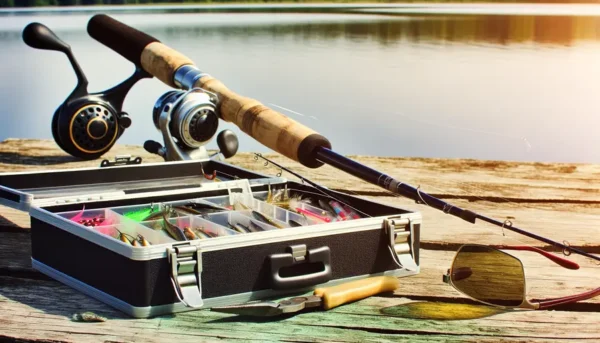
Selecting surf fishing gear is vital for an enjoyable outing. Gear should handle both calm days and choppy surf effectively. Ten-foot medium-heavy rods provide a balance of power and sensitivity. Pair this with a spinning reel that holds 200-300 yards of 15-20 lb monofilament line, or opt for 30 lb braided line to achieve greater casting distance.
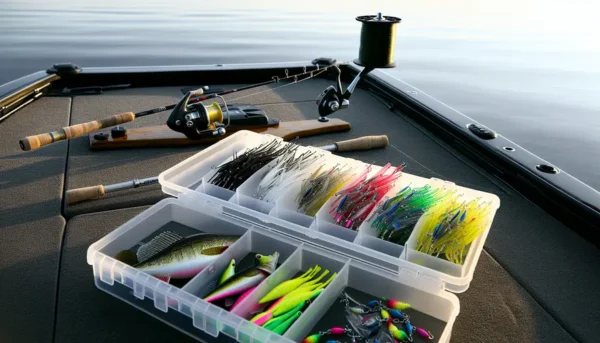
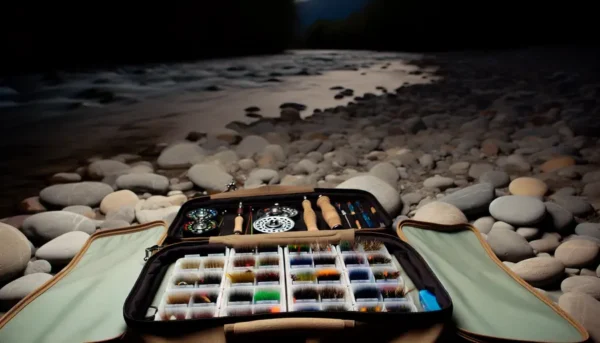
Terminal tackle like pyramid sinkers and circle hooks are essential. Pyramid sinkers anchor the line into the sandy bottom, cutting down drag from waves. Circle hooks minimize fish injury for cleaner releases. A tackle box with leaders, swivels, and various weights will be beneficial in different conditions.
Understanding Fish Behavior and Selecting Bait
Coastal waters host various species, each with unique habits that enrich the beginner surf fishing experience. Common targets include striped bass, bluefish, and red drum. Tides play a crucial role, as most species are more active during tidal changes.
Live bait such as shrimp, sand crabs, or mullet is often preferred. However, artificial lures like spoons and jigs can also work well, mimicking local prey. Anglers understand that fish in the surf feed aggressively and respond to fast-moving lures during bright daylight.
Reading the Water and Identifying Structure
Reading water is a critical component of surf fishing success. Identify rips, channels, and sandbars which act as natural funnels and shelters for baitfish and predators. Observe changes in wave patterns to locate these features.
Scanning the beach for activity offers clues to fish presence. Diving birds, jumping baitfish, or different water coloration can indicate hotspots. Local knowledge and fishing reports provide supplementary insights into seasonal fish migrations.
Prioritizing Safety and Enjoyment
Ensure safety remains a priority in beginner surf fishing endeavors. Monitor weather forecasts and beach conditions beforehand. A sunny morning can quickly become a windy afternoon, posing safety hazards and casting challenges.
Use quality sun protection, stay hydrated, and carry flotation devices if wading deeply. It’s wise to fish with a companion or inform someone about your plans and return time.
Discovering Local Spots and Seasonal Patterns
Local hotspots offer beginner surf fishing enthusiasts opportunities for learning and community engagement. John’s Pass in Florida and Montauk Point in New York are known for their active fishing communities and seasonal events. Each location presents unique seasonal rhythms, with peak times for specific species.
Keeping an eye on local fishing regulations and adhering to catch limits ensures the sport’s sustainability for future generations. Many coastal communities also host surf fishing clinics and competitions where beginners can learn from seasoned anglers.
The journey through beginner surf fishing is filled with rewarding challenges and memorable experiences. With proper preparation and respect for the ocean’s changing conditions, you can enjoy fulfilling surf fishing adventures and grow closer to mastering the sport.