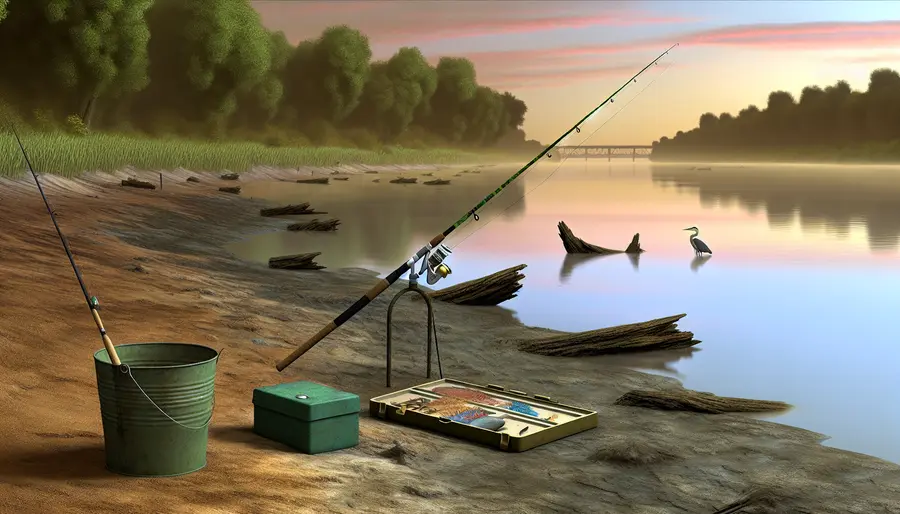
If you want to learn how to catch catfish, start by understanding the insights from veteran anglers who possess a wealth of generational wisdom. The excitement of reeling in one of these bottom-dwelling giants is a rewarding experience for many fishing enthusiasts. Regardless of whether you are embarking on your first expedition or refining your skills as an experienced angler, this guide will equip you with the essential tips, bait choices, and techniques needed to catch catfish with confidence.
Understanding Catfish Behavior and Habitats
Understanding catfish behavior is key to mastering how to catch them. Catfish are opportunistic feeders and their feeding habits vary based on region, season, and food sources. While they typically inhabit deep, slow-moving river currents, you can also find them in lakes, reservoirs, and ponds.
Identifying ideal fishing spots is the first step. Submerged structures like fallen trees, rock piles, or man-made structures such as bridge pilings are prime locations, especially near drop-offs or channels. Catfish often gather around these features for shelter and hunting opportunities.
In rivers, focus on outside bends where the water is deeper and currents stronger. These create excellent feeding grounds. In reservoirs and lakes, target shallow flats during nightfall when catfish move closer to the shore to hunt. Recognizing these patterns is crucial for effectively catching catfish.
Best Bait for Catching Catfish
Your bait choice is vital in learning how to catch catfish. With their highly developed senses of smell and taste, catfish often follow scent trails to locate meals. Consider these effective bait options:
- Live Bait: Using live bait such as shad, perch, or minnows is highly effective. Larger baits are preferred for catching larger catfish, which are generally more active at night.
- Cut Bait: Fillets from oily fish like herring or skipjack create strong scents that attract catfish.
- Stink Bait: Specially formulated concoctions with powerful aromas are ideal for channel catfish and can easily be molded onto hooks.
- Dough Balls: Homemade catfish bait, made from ingredients like flour, cornmeal, and chicken liver, combines creativity and effectiveness.
- Prepared Baits: Available in tackle shops, these baits are crafted specifically for catfish and often feature potent scent and flavor blends.
Techniques for How to Catch Catfish
Using the right techniques is as important as understanding catfish habits. Enhance your fishing prowess with these proven methods experienced anglers use:
In still water, bottom fishing is effective. Use a slip sinker rig to keep bait in deeper channels, allowing it to rest on the bottom until a catfish picks up the scent. For more active fishing, drift with the current to cover more area and increase your chances of encountering catfish.
Opt for heavier lines (20+ pound test) for their abrasion resistance. A circle hook, designed to hook the fish in the corner of the mouth, reduces mortality rates upon release.
Pursuing flathead catfish, which prefer solitary hunting, requires targeting them with live preys like bluegill or perch near large submerged logs or rock ledges.
Safety is essential, especially when fishing from shore or wading into water. Stay alert for rising water levels and keep a first aid kit handy. On a boat, ensure all safety gear is functional and accessible.
Optimal Weather and Seasonal Patterns for Catfishing
The timing of your fishing trips significantly impacts your success. Catfish show peak activity during specific periods and weather conditions:
Spring marks the spawning season for many catfish. During this time, they frequent shallow waters, providing excellent opportunities for shore anglers. After spawning in summer, they disperse to feed heavily. Pre-dawn to mid-morning or late evening hours, as the sun declines, are ideal for finding active catfish.
Rainfall can improve your chances. Catfish become livelier after rain because it washes food into the waterways, especially when fishing near creeks or small tributaries feeding into a river or lake.
Successfully catching catfish throughout the year involves adapting to their behavioral shifts and response to environmental cues. Adjust your tactics according to seasonal patterns for optimal results.
Exploring Diverse Locations to Catch Catfish
The Mississippi River is renowned for its plentiful monster catfish, such as giant blue and flathead species. Also, places like Santee Cooper Lakes in South Carolina or Lake Tawakoni in Texas are known for their thriving catfish populations, attracting anglers worldwide.
The Ohio and Tennessee rivers, famous for their substantial channel catfish, are excellent traditional river fishing spots. Alabama’s Wheeler Lake is recognized for its flathead populations, offering a rewarding challenge for dedicated catfish anglers.
Your local tackle shop can serve as a valuable resource for finding nearby catfish spots. Connect with local fishing communities online or through clubs to discover hidden gems that match your preferences and skills.
Equipped with the appropriate knowledge of how to catch catfish, you can experience thrilling and fulfilling fishing adventures. By applying the tips and techniques presented here, whether on riverbanks under starlit skies or venturing through remote lake waters, you’re prepared to successfully catch catfish on your next outing.