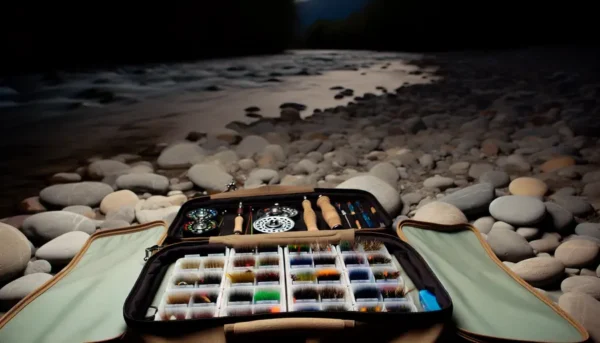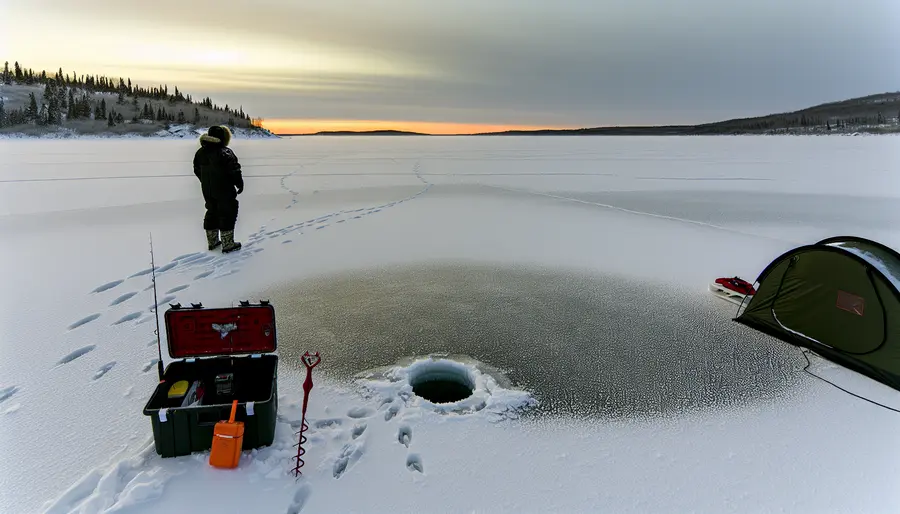
Ice fishing safety tips are essential for the many outdoor enthusiasts seeking a winter respite with this unique pastime. Ice fishing challenges anglers to lure fish from beneath a frozen body of water, drawing them to frozen lakes and ponds every year. However, beneath the thrill lies the need for respect and preparation. Mastering essential ice fishing safety tips ensures your adventure is as safe as it is rewarding, whether you are a seasoned veteran or a novice winters.
Understanding Ice Thickness and Conditions
Understanding ice thickness and conditions is crucial for safe ice fishing. Ice is rarely uniform because lakes freeze and thaw with weather fluctuations. As a general rule, ice should be four inches thick for a single angler to walk safely on it. Snowmobiles and ATVs require five to seven inches, while cars or small trucks need at least eight to twelve inches.
Thickness alone does not ensure safety. Ice varies in quality; clear blue ice is generally strongest, whereas white or cloudy ice tends to be porous and less secure. Currents, inlets, and underwater springs can also weaken certain areas. Always check local reports and use an ice auger or chisel to confirm thickness at multiple locations.
Essential Gear for Safe Ice Fishing
Preparation and appropriate gear are crucial for safety. Every angler should pack essential equipment designed for icy conditions. Ice picks, worn around the neck, enable self-rescue if you fall through. A throw rope is indispensable for rescuing others or situations where self-rescue is challenging.
Invest in a portable two-way radio for communication and a GPS device for navigation. Personal flotation devices (PFDs) worn under outerwear offer extra safety. Ensure your ice fishing shelter has a carbon monoxide detector for safety as well as warmth.
Weather Monitoring and Preparation
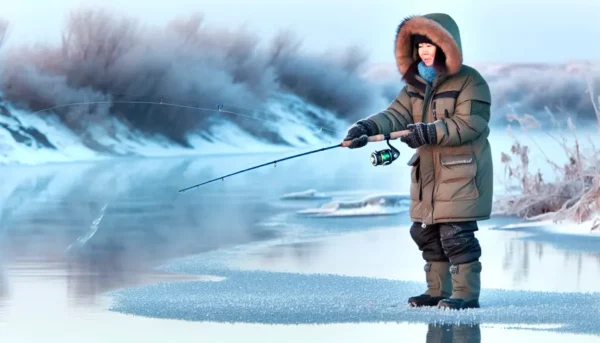
Weather conditions impact your fishing success and safety on the ice. Check forecasts carefully before setting out. Strong winds and snow can quickly change conditions, reducing visibility and disguising unsafe ice patches. Wear layered clothing, starting with moisture-wicking fabrics, to maintain warmth in wet conditions.
Flexible plans help you respond to worsening conditions without risks. Share your plans, expected return time, and exact location with someone. Communication plays a vital role in ensuring safety.
Choosing the Right Fishing Spots
Choosing the right location respects ice safety principles. Early-season anglers often head to shallow bays where ice forms first, drawing in species like northern pike and panfish.
As the season progresses, deeper waters open up opportunities for walleye and lake trout. Avoid areas with dams or fast-moving currents, and research fisheries with safe ice conditions like Upper Red Lake in Minnesota or Lake Champlain’s sheltered bays.
Understanding Fish Behavior in Icy Waters
Understanding fish behavior under ice is key to a productive trip. Fish metabolism slows in colder water, so they feed less frequently but follow specific patterns. Lake trout stay in deeper pools, while yellow perch or crappie may cluster near drop-offs or submerged structures.
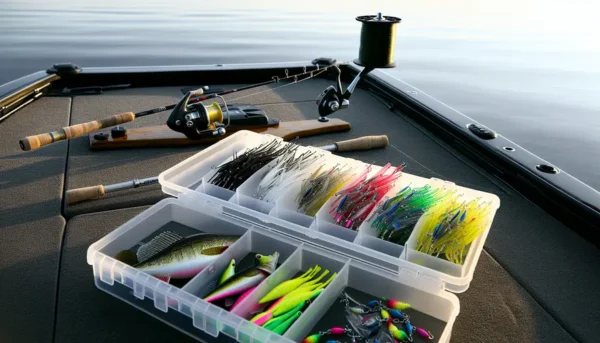
Pike and muskie hide around aquatic vegetation, such as submerged weed lines, as they ambush prey. Adjust your tactics by using jigging techniques and brightly colored lures to enhance visibility in darker water conditions.
Community Insights and Local Knowledge
Local anglers and bait shops can provide crucial information about safe spots and local fish tendencies, making community insights vital to ice fishing safety. Each region has its quirks, such as hidden springs or areas where ice never fully forms.
Participate in online forums or local fishing clubs to learn from seasoned anglers and share your experiences. Learning from those with local knowledge keeps you informed, ensuring your adventures remain thrilling and safe.
The frozen landscape offers opportunities for those daring enough to venture out, rod in hand. Always respect the ice and equip yourself with knowledge and gear to return safely with stories of winter’s bounty. Preparedness and vigilance turn ice fishing from a sport into a dance with nature on an icy stage. Embrace the winter chill confidently and carefully.