The summer sun invites anglers to enjoy leisurely days casting for America’s favorite game fish: bass. Summer bass fishing tips can significantly enhance your catch rate as water temperatures rise, shifting fishing patterns with the ecological rhythms of lakes and rivers. Whether you’re an experienced angler or just starting, understanding these strategies prepares you for the unique challenges of summer bass angling.
Understanding Summer Bass Behavior
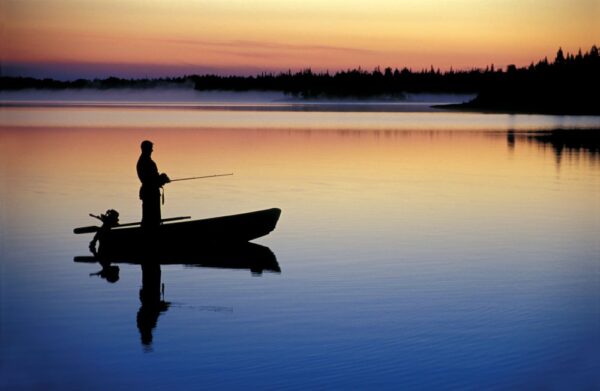
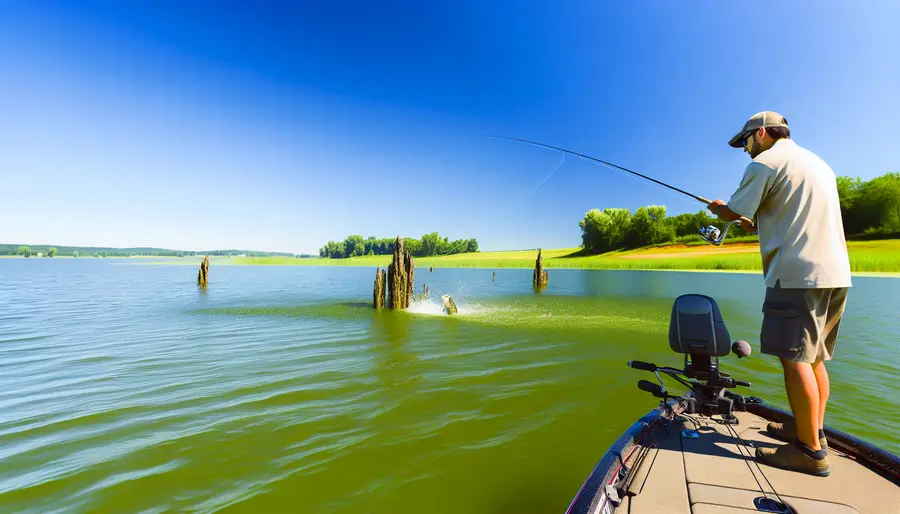
As summer arrives, bass behavior changes noticeably. Warmer waters increase their metabolism, making them more active yet particular about their feeding. During hot days, bass often retreat to cooler, deeper waters or shaded areas with good cover. These spots offer ideal ambush opportunities. Early mornings or late evenings present prime fishing times near the surface when temperatures are cooler. Observing baitfish presence can also lure bass, and weather fronts may affect their activity.
Seasoned anglers note that bass gravitate towards submerged structures such as ledges, rock piles, and weed beds. For example, in large lakes like Lake Guntersville in Alabama, the summer sun pushes bass into deeper zones, where thermoclines provide a comfortable habitat.
Lure Selection and Presentation
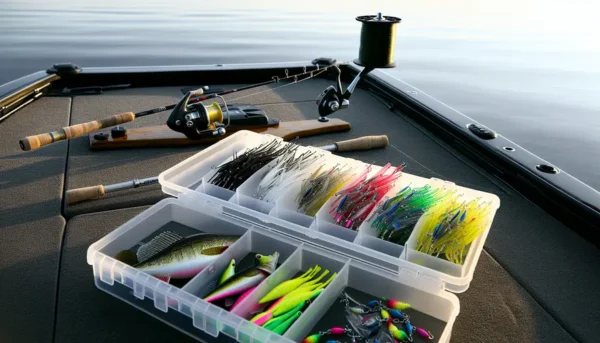
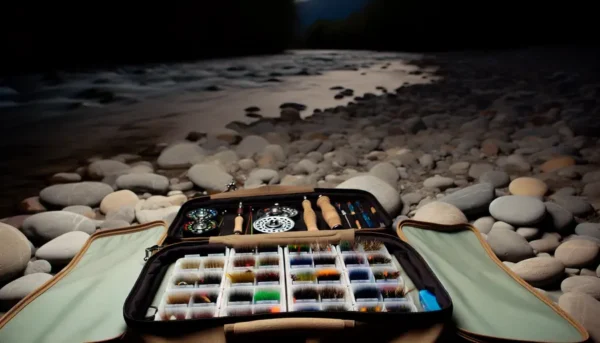
Selecting the right lure is crucial for enticing summer bass. Reaction strikes are often provoked by the correct color, size, and movement combination. In clear water, natural colors like greens and browns work well, while brighter colors attract attention in murkier waters.
Topwater lures, such as poppers or buzzbaits, are effective in the cooler early morning and late evening periods. These lures mimic struggling bait on the surface, enticing explosive strikes. When the sun is high, switch to deeper running crankbaits or jigs. Classic Texas-rigged soft plastic worms remain a favorite due to their versatility. Experienced fishermen often use a Carolina rig, which allows the lure to hover above the bottom, effectively covering open-water environments.
Reading Water and Structure
The notion that 80% of fish are in 20% of the water is particularly relevant in summer. Identifying potential holding spots is essential for success. Look for areas where old creek channels meet the main lake, or underwater humps that create natural ambush points.
Kerr Lake in North Carolina and Virginia is a prime example. Here, anglers focus on points, islands, and submerged brush piles that provide ideal summer habitats. Using a fish finder to chart structures and substrate changes can significantly improve your ability to locate bass schools.
Safety and Boating Considerations
While the excitement of fishing is undeniable, safety must always be a priority. The summer heat requires vigilance; carry sufficient water, apply sunscreen, and take regular breaks to prevent heat-related illnesses. Secure your gear to prevent injury or loss due to high winds or passing wakes.
Ensure you have your Personal Flotation Device (PFD) on hand and encourage everyone onboard to wear one, especially in larger lakes where waves can become choppy. Understanding boating basics and checking storm advisories can prevent dangerous weather encounters.
Shoreline and Kayak Strategies
For those without boats, shoreline and kayak fishing can be as rewarding during summer. Focus on banks with shade-providing vegetation or docks that provide shelter for bass.
Kayak anglers benefit from stealth and can navigate narrow inlets or shallow flats inaccessible to motorboats. Silent paddling allows for closer approaches to fish, minimizing the chances of spooking them. In lakes like Lake Champlain or the Susquehanna River, such tactics often lead to exciting bass encounters.
Summer bass fishing tips require strategic adjustments and a keen awareness of environmental changes. With persistence and adaptability, you can enjoy thrilling days on the water, yielding both hefty catches and tales of adventure. Whether you’re casting from a boat, kayak, or shoreline, let these tips guide you to a successful and memorable fishing season.