Understanding the best gear ratio for bass fishing is crucial for anglers looking to improve their catch rate and overall fishing experience. Whether you’re an avid bass angler or a beginner aiming to catch your first largemouth, selecting the right reel is a pivotal decision. Bass fishing is a game of precision, strategy, and adaptability. Your reel’s gear ratio can significantly influence your technique and success.
The Basics of Gear Ratios in Fishing Reels
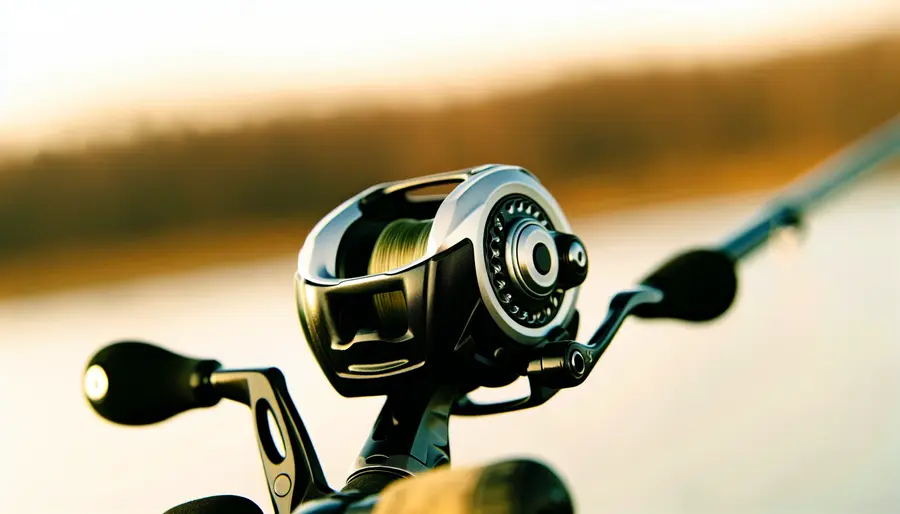
The gear ratio in a fishing reel describes the relationship between the spool’s rotation and the handle’s cranking. For example, a 7.1:1 gear ratio means the spool rotates 7.1 times for every complete turn of the reel handle. Understanding this mechanic is essential for choosing the best gear ratio for bass fishing. It affects retrieval speed and lure presentation.
A higher gear ratio translates to faster line retrieval, perfect for techniques requiring quick action, such as topwater lures or jerkbaits. Conversely, a lower gear ratio offers more torque, beneficial for techniques demanding slow and methodical retrieves like crankbaits or deeper water presentations.
Choosing the Best Gear Ratio for Bass Fishing Techniques
Bass fishing encompasses a wide array of techniques, each suited to a specific gear ratio. High-speed reels, typically ranging from 7.1:1 to 9.1:1, are advantageous when fishing with buzzbaits or when burning spinnerbaits across the surface. This method keeps your lure above the fast-moving currents of a river’s headwaters.
In contrast, a reel with a 5.1:1 to 6.3:1 gear ratio offers more control and power. It is ideal for sluggish presentations that require a slow roll or deep diving crankbaits. When the bass are holding tight in deep summer waters or huddled near sunken timber, a lower gear ratio helps you probe effectively.
Optimizing Your Lure Selection and Gear Ratio for Seasonal Patterns
Seasonal changes influence bass behavior, necessitating different techniques and gear ratios. During the spring, when bass move to warmer, shallower waters to spawn, a high-speed reel allows you to cover water efficiently. You can cast shallow crankbaits or finesse rigs along weed edges or rocky shorelines.
In summer’s heat, when bass retreat to deeper, cooler waters, a lower gear ratio can aid in slow-rolling a Carolina rig or dragging a heavy jig over deep structure. Autumn sparks another shift as bass chase baitfish along points and ledges. Here, versatility is crucial. A mid-range gear ratio can provide the adaptability needed for varying lure presentations.
Examining Local Hotspots and Gear Ratio Impact
Local geography and fishing pressure also play significant roles in determining the best gear ratio for bass fishing. In Clear Lake, California, known for its weedy flats, a high-speed reel excels in retrieving lures before they snag. Meanwhile, the rocky impoundments of Lake Fork, Texas, demand precision, making a slower gear ratio optimal for bounce-and-pause retrieve with a jig.
In Tennessee’s Dale Hollow Lake, where transitioning ledges drop off sharply, having a reel that can handle both quick retrieves and slow, methodical pulls helps adjust to the lake’s diverse structure and seasonal changes.
Tips for Selecting the Right Setup and Ensuring Safety
Pairing the right rod with the appropriate gear ratio reel is crucial for maximizing performance. A fast-action rod complements a high-speed reel for techniques requiring quick hooksets. For deeper jigs, a medium-heavy rod pairs well with a slower gear ratio, providing the backbone for a powerful hookset.
Moreover, safety should never be overlooked. Whether fishing from a boat or the shore, always wear a life jacket in strong currents or unpredictable weather. Pay attention to your surroundings, especially in unfamiliar waters where submerged hazards may lie below.
Enhancing Your Bass Fishing Experience
The best gear ratio for bass fishing hinges on the specific conditions you face, the techniques you employ, and the bass’s behavior during different times of the year. By carefully selecting the right combination of reel speed, rod action, and lure type, you increase the likelihood of landing trophy bass while enhancing your overall fishing experience.
As you refine your skills, consider experimenting with different gear ratios to find what best suits your style and the specific demands of your local waterways. Adaptability and knowledge remain your strongest allies on the water, enabling you to meet the ever-changing challenges posed by the illustrious bass.