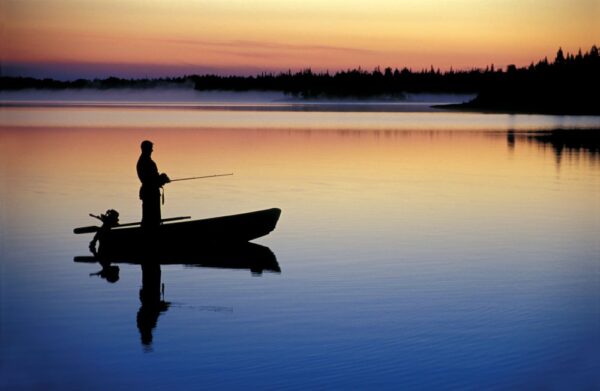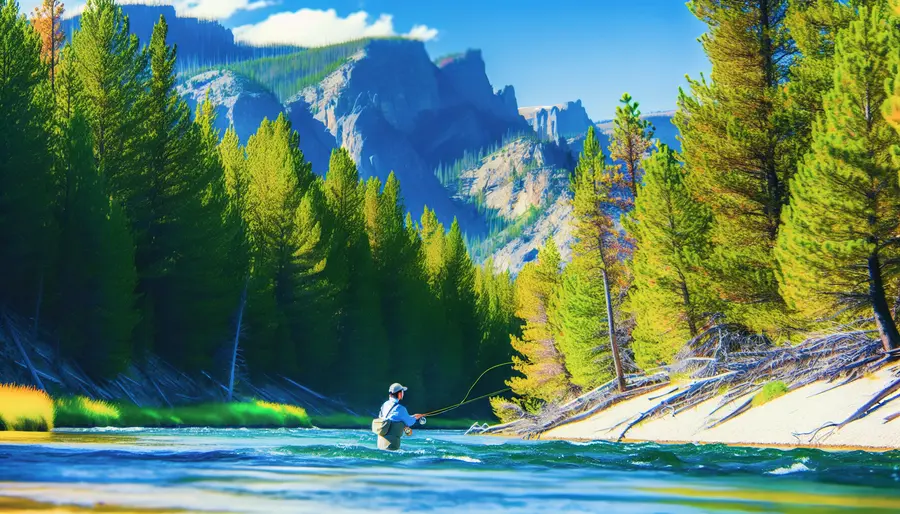
Fly Fishing in Yellowstone offers an extraordinary experience for both beginners and experienced anglers. Home to pristine waters and an abundance of fish species, Yellowstone National Park is a bucket-list destination for fly fishing enthusiasts. Encircling this vast natural wonder are waters boasting an impressive variety of trout, including native Yellowstone cutthroat, brown, rainbow, and brook trout. Whether casting in the Firehole River’s steamy embrace or exploring the broad expanse of Yellowstone Lake, each experience promises a unique adventure.
The Basics of Fly Fishing in Yellowstone
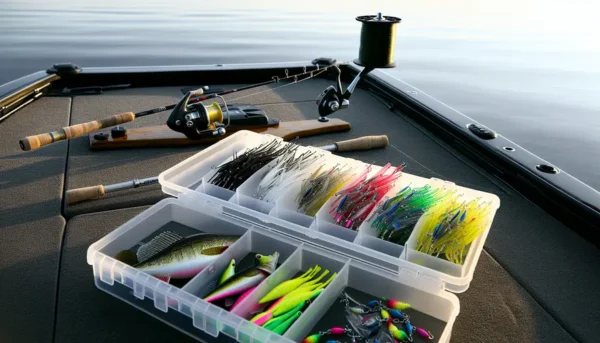
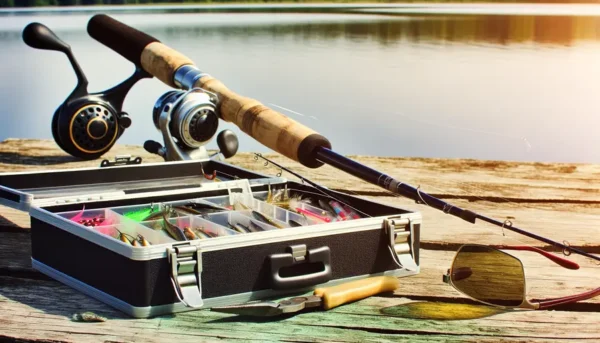
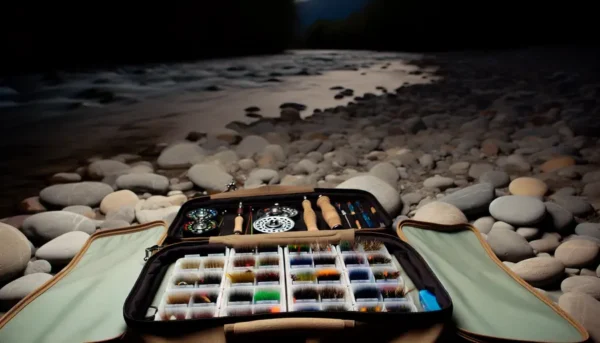
Before diving into Yellowstone’s waters, mastering the basics of fly fishing is crucial. Knowing the different components of your gear and understanding basic casting techniques lays the foundation for success. Essential gear includes a fly rod and reel, typically in the 5 to 6 weight range, versatile enough for most trout in the park. Fly lines, such as floating or sink-tip lines, are complemented by leaders and tippets suitable for the clear waters.
A successful fly fishing experience in Yellowstone hinges on understanding fish behavior and habitat. Yellowstone’s rivers and streams are often teeming with insect life. Matching the hatch—selecting the right fly to mimic the prevalent insects—can make or break your day. Popular fly choices like the Elk Hair Caddis, Hare’s Ear Nymph, and the Parachute Adams are solid bets in the park.
Seasonal Patterns and When to Fish
Timing is vital when fly fishing in Yellowstone. The park’s elevation creates a unique fishing calendar influenced by snowmelt and temperature changes. The best fishing time typically spans late spring through early autumn. Early spring may be limited by runoff, but can reward persistent anglers with active fish and less-crowded waterways. As temperatures warm, late June and July become prime time with abundant hatches and vibrant fish activity.
Fall offers another excellent window. September and October provide cooler temperatures, fewer crowds, and active brown trout preparing to spawn. Each season in Yellowstone presents unique opportunities and challenges, so adjust your tactics accordingly, keeping a close eye on weather changes and water conditions.
Top Locations for Fly Fishing in Yellowstone
Discovering the top fishing spots in Yellowstone can transform your trip from good to extraordinary. Start with the Firehole River, renowned for its geothermal features and healthy trout populations. This river’s unique thermal influence often means warm, active waters even when other rivers chill.
The Lamar Valley hosts the Lamar River, ideal for remote fishing surrounded by stunning landscapes. Be alert for afternoon mayfly hatches that cause trout to rise eagerly to the surface. Slough Creek, famous for its terrestrial fishing with hoppers during late summer, is another favorite.
If stillwater fishing appeals, Yellowstone Lake’s vast waters invite exploration. This lake’s native cutthroat trout attract anglers year-round, offering a different challenge from the rivers. No matter your choice, adhere to local regulations and practice catch-and-release to preserve these ecosystems.
Techniques and Tactics for Success
Mastering various techniques can greatly enhance your fly fishing success in Yellowstone. Nymphing, dry fly fishing, and streamer fishing are effective methods, each with its moment depending on fish behavior and environmental conditions. For nymphing, using a strike indicator with a double-fly rig can increase your chances of detecting bites, especially in faster waters like the Madison River.
Exploring dry fly tactics during consistent hatches can thrill anglers in spots like the Yellowstone River, where surface action is dynamic. Streamer fishing is effective, particularly when targeting larger trout or in murky water conditions requiring a more aggressive approach.
Adapting to current conditions and observing fish activity enhance your chances of landing trophy trout. Stay flexible; adjust techniques and align your approach with current conditions.
Essential Safety Tips and Regulations
Fly Fishing in Yellowstone not only demands angling skills but also requires awareness of safety and regulations. The park is home to wildlife that poses risks, including bears and bison, making it essential to carry bear spray and maintain safe distances from animals. Always check current fishing regulations, as Yellowstone’s rules change yearly to protect fish populations.
The catch-and-release ethic is promoted to maintain healthy fish numbers, and some areas may have specific gear restrictions. Additionally, the park’s elevation causes rapid weather changes; come prepared with layered clothing and a rain jacket to adapt to sudden shifts.
Utilizing practical insights and respecting local regulations and ecology ensures your fly fishing trip in Yellowstone is rewarding and responsible.
Experiencing the grandeur of Yellowstone through fly fishing is unforgettable. As you stand in the park’s crystalline waters, surrounded by infinite wilderness and the echoes of trout splashing, you’ll understand the allure that’s captured anglers for generations. By combining skill, patience, respect for nature, and a touch of good fortune, each outing offers stories of triumph amidst one of the world’s last great wild frontiers.