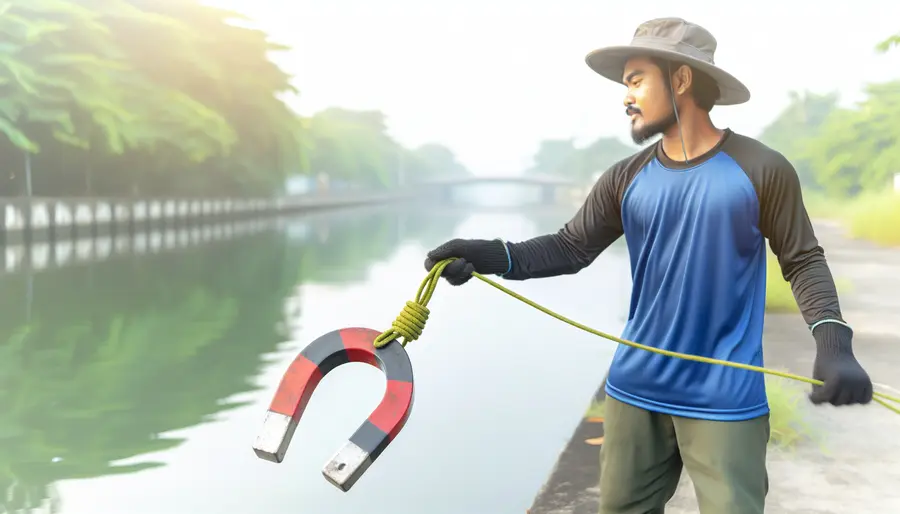
Magnet fishing for beginners is becoming an intriguing pastime for many outdoor enthusiasts. It combines the suspense of treasure hunting with the pleasure of being near water. For those curious to dip their toes into this fun activity, this guide will provide essential tips, tricks, and safety measures to get you started.
Understanding the Basics of Magnet Fishing for Beginners
Magnet fishing for beginners involves using a strong magnet attached to a rope to search for metal objects submerged in water bodies. It is crucial to understand the types of magnets available and their appropriate uses. Beginners often start with a neodymium magnet, known for its powerful pull—some models boast a pulling force of up to 1,200 pounds. However, the choice should balance strength with manageability.
Ropes are another critical component. Polypropylene ropes are often recommended due to their durability and water resistance. A diameter of 8-10mm usually supports a good weight balance for retrieval without being cumbersome. A secure knot, such as the figure-eight or palomar knot, ensures your magnet remains attached during the pull.
Choosing the Right Locations for Magnet Fishing
Finding the right spot is essential for success in magnet fishing for beginners. Urban water bodies, including canals and rivers near historical towns, are popular starting points. These sites have rich histories and potentially harbor lost or discarded metal artifacts.
Before heading out, research local history to identify locations where higher activity might have occurred, from old shipyards to popular fishing spots. Consider consulting local fishing or historical forums for insider tips on prime magnet fishing locations. A seasoned magnet fisher once discovered an antique key set near an old bridge in New England, dating back to the early 1900s, simply by following historical maps and community input.
Best Seasons and Weather Conditions for Magnet Fishing
While magnet fishing for beginners is a year-round activity, periods of mild weather often prove most rewarding. Spring and autumn offer optimal conditions; the banks are typically less overgrown, making water access easier and more visible. Furthermore, cooler water temperatures in these seasons can reveal hidden metal treasures preserved in clearer water.
During periods following heavy rain, river currents might unearth items trapped under silt or other debris, pushing them closer to your reach. However, always assess water levels and flow rates post-storm for safety before heading out.
Safety Tips for Magnet Fishing
While magnet fishing is relatively safe, precautions are necessary for an enjoyable experience. For beginners, it’s crucial to start with protective gloves to handle sharp or rusted items. Cut-resistant gloves offer additional protection against unexpected sharp edges.
Mind your surroundings when casting and retrieving. Always perform in an open space, clear from overhead obstacles or people. Remember that retrieving a heavy find requires adequate strength and control to avoid injury or loss of balance, especially on slippery banks. It’s equally important to check the legal stipulations in your country or state regarding magnet fishing, as some areas might have restrictions to preserve aquatic habitats or due to safety concerns.
Techniques and Tricks to Enhance Your Magnet Fishing Experience
Patience and persistence are key for beginners. Magnet fishing rewards those who take their time to scour an area methodically. Using a sweeping technique, rather than random drops, increases your chances of attaching to metal objects. Fan your magnet along the waterbed in gentle arcs, covering wider sections methodically before moving on.
Consider investing in a grappling hook for more substantial pulls, particularly when latching onto heavy or bulky items such as bicycles or safes. Attach the hook alongside your magnet for best results. Moreover, incorporating a small portable GPS tracker can help you record locations of fruitful finds and areas you’ve already searched, enhancing your strategy over time.
Popular Finds and Unique Treasures
The anticipation of discovery is part of the thrill in magnet fishing for beginners. Various items, from historical coins, tools, and guns, to unusual metallic curiosities, have been found by beginners and seasoned enthusiasts alike. One intriguing find included a World War II helmet in the murky waters of a French canal, offering a direct connection to history.
As with fishing in general, the best advice is to enjoy the experience and welcome surprises. Each throw might net you a piece of lost history, a bit of forgotten treasure, or an unusual story to share.
Respecting the Environment and Ethical Fishing Practices
Responsible magnet fishing also means taking care of the environment. Clean up after your expeditions and ensure any discovered waste or pollution is dealt with appropriately. It’s crucial to separate valuables from potential hazards and dispose of items through proper channels.
Engage with local communities and contribute to preserving waterways. Your finds might even aid historical preservation efforts or local museums. Magnet fishing for beginners offers an exciting blend of adventure, history, and environmental engagement. With these tips, you’ll embark on a hobby that not only deepens your appreciation for local water bodies but potentially opens up new stories of bygone eras hidden beneath the waterline. Happy searching, and may you pull treasures that stir both wonder and respect.