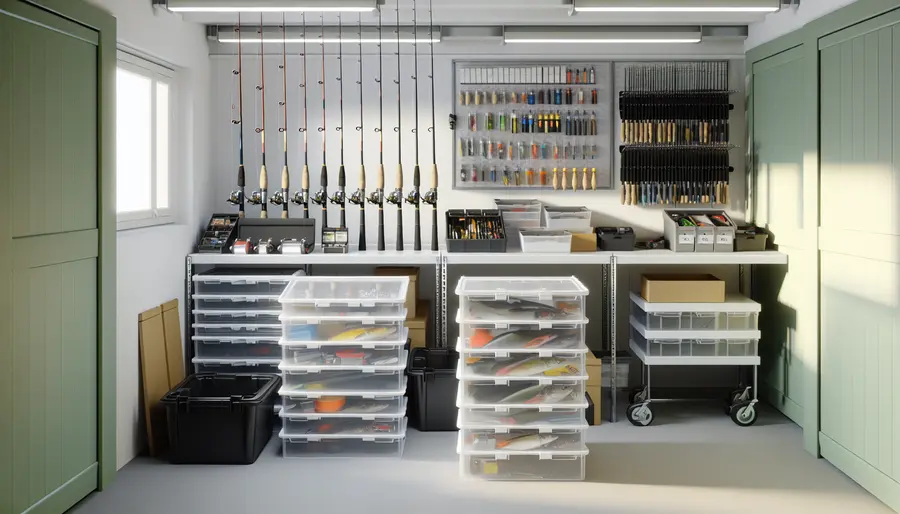
Fishing gear storage is paramount in the life of every angler. Whether you’re casting worms on a lazy Sunday afternoon or stalking elusive trophy fish in remote waters, organizing your gear can be the difference between a successful day on the water and a frustrating one. From the beginner wrangling a burgeoning collection of tackle to the seasoned pro, let’s dive into strategies for keeping your fishing gear storage efficient and ready.
The Importance of an Efficient Fishing Gear Storage System
Whether you’re planning a trip to the bass-laden waters of Lake Guntersville or preparing to drift along a meandering river in a kayak, how well you organize your fishing gear can impact your time on the water. A well-thought-out storage system not only makes it easier to find what you need when the bite is on, but it also helps extend the life of your gear by keeping it protected from the elements. In essence, effective fishing gear storage safeguards your investments and enhances your efficiency.
Consider the angler chasing smallmouth bass on Lake Erie. These fish can be tenacious, requiring quick lure changes based on their ever-adapting behavior. With an organized tackle box, switching from a deep-diving crankbait to a soft plastic swimbait can be swift and efficient, maximizing time with a line in the water.
Essential Tips for Tackle Boxes and Bags
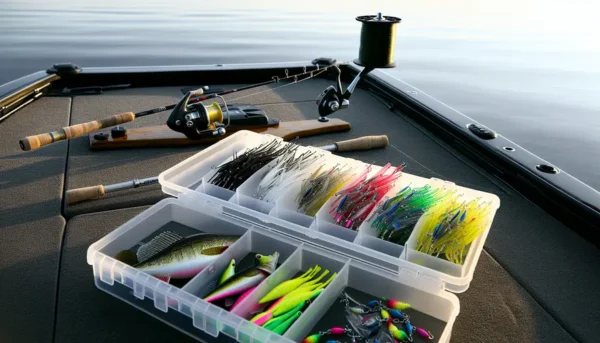
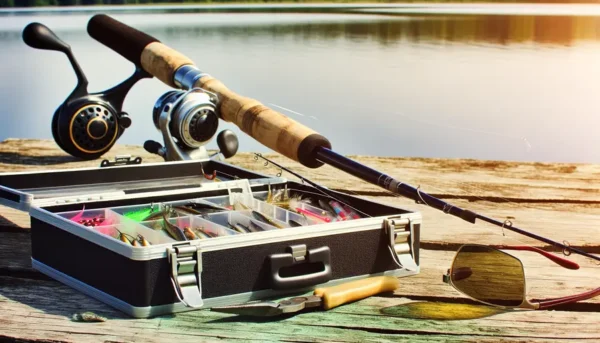
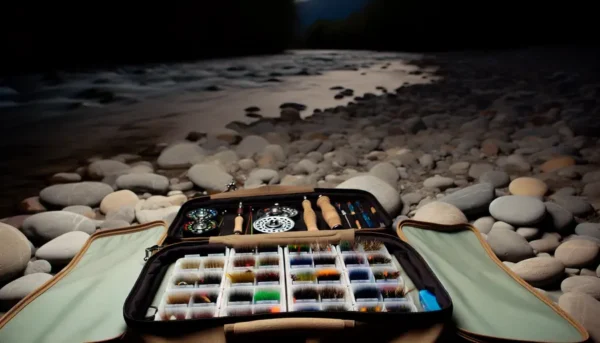
Tackle boxes and bags are the frontline soldiers in your fishing gear storage arsenal. For optimal organization, consider the following tips:
- Compartmentalize: Use boxes with adjustable dividers. Arrange lures by type, size, and color, allowing quick retrieval and efficient storage.
- Labeling: Label compartments with the lure type for instant identification. This is particularly useful in waters with multiple species, such as Florida’s Kissimmee Chain of Lakes.
- Portability: Consider a tackle backpack for on-the-go fishing. A backpack keeps both hands free, essential when tackling rocky banks or thick brush.
- Soft Plastics Storage: Use binder-style bags for soft plastics. Keep colors and styles separated to prevent fading and ensure quick access.
These tips ensure that whether you’re fishing from the shore of a quiet Ontario lake or a busy Florida shoreline, your gear is organized and ready.
Taming the Tackle in Boats and Kayaks
Boaters and kayakers face unique challenges with fishing gear storage. Space is limited, and safety is a concern. To optimize your setup, consider the following:
- Use Vertical Space: Install rod holders alongside the boat’s gunnels to maximize walkable space. Vertical rod storage reduces the risk of breakage in high-traffic areas.
- Securely Fasten Gear: Use bungee cords and tie-downs to secure larger tackle bags and coolers. This is crucial when navigating choppy waters or transporting to inland reservoirs.
- Utilize Deck Hatches: If available, use deck hatches for storing bulkier items such as nets and rain gear. Watertight compartments offer protection from the elements.
An organized layout aids in efficient gear use and contributes to safer boating experiences.
Storing Gear for Seasonal Changes
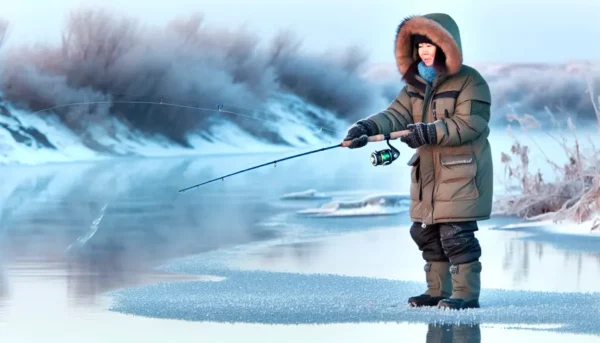
Fishing is a year-round sport, but gear requirements vary between the icy chills of winter ice fishing and the balmy breezes of summer lake fishing. Storing gear seasonally can help preserve your equipment’s longevity.
- Winter Storage: In northern climates, clean and dry gear before storage to prevent damage from ice and moisture. Shields Lake in Minnesota exemplifies where careful winter prep can save gear for the next season.
- Summer Care: Humidity is an enemy during summer months. Store tackle in a cool, dry area away from direct sunlight to prevent rust and UV damage.
- Rotation and Inspection: Regular inspection and rotation of tackle ensure everything is in top working condition when the season changes.
This seasonal strategy keeps your fishing gear storage dynamic and adaptable, turning every trip into an opportunity rather than a setback.
Optimize Your Fishing Experience
Your passion for fishing deserves a well-organized approach to gear storage. By adopting these strategies, you’ll enhance your time on the water, regardless of whether it’s on a bustling midwestern lake or a serene mountain stream. Remember, an angler’s success often begins long before reaching the shore, with the organized hum of reels, the measured click of tackle boxes, and the soft rustle of rods. Let these tips guide you to a more streamlined, efficient approach to fishing gear storage, ensuring you’re always ready for the next catch.