Must-Have Fishing Gear: When it comes to fishing, having the right equipment can make all the difference between a memorable day on the water and an afternoon of frustration. For seasoned anglers and beginners alike, understanding what gear is essential can elevate the experience from a leisurely pastime to a rewarding pursuit. The right tools and techniques allow you to adapt to varying conditions, target different species, and most importantly, enjoy the process. This guide explores the must-have fishing gear every angler should have in their arsenal, combined with insights into fish behavior, water conditions, and optimal strategies for both boat and shoreline fishing.
Rod and Reel: The Backbone of Fishing
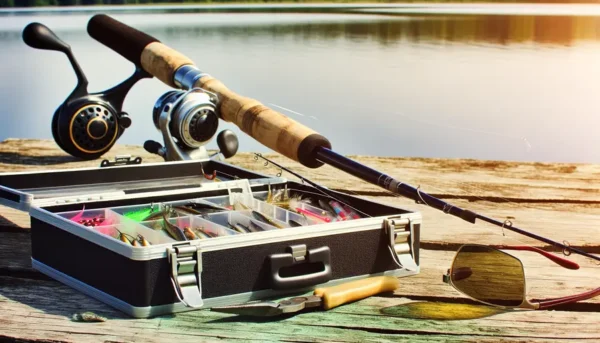
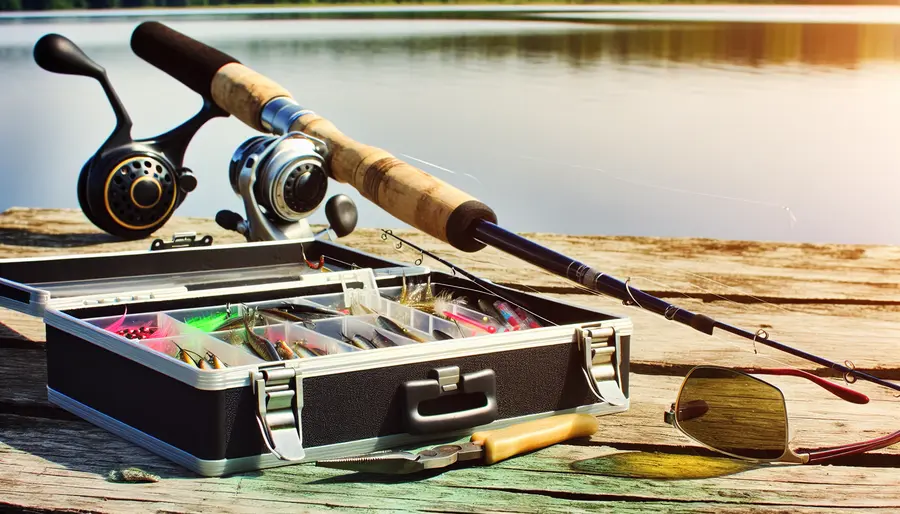
The cornerstone of any angler’s setup is a quality rod and reel. For beginners, a versatile medium-action spinning rod paired with a compatible reel is often recommended for targeting a variety of species such as bass, walleye, and panfish. Experienced anglers might opt for a baitcasting reel when pursuing larger species like northern pike or musky, particularly in freshwater environments like Minnesota’s vast network of lakes.
Choosing between a spinning and baitcasting setup often depends on your fishing style and targets. Spinning setups are generally easier to handle and perfect for light to medium tackle, while baitcasting reels provide more control and power for heavier lures and lines. When aiming for fish such as saltwater redfish or tarpon, consider a sturdy rod with appropriate power and fast action to handle the fight effectively.
Tackle Box Essentials: Lures and Terminal Tackle
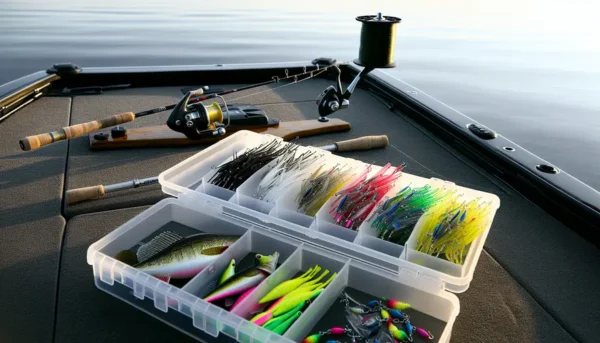
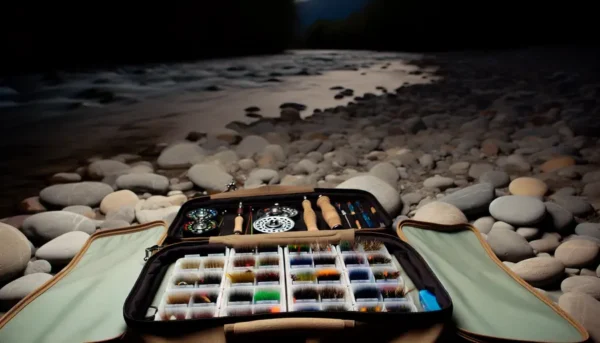
A well-equipped tackle box is another must-have item in your fishing gear collection. Every angler should carry a selection of lures that cater to different species and water conditions. Soft plastic worms, crankbaits, spinnerbaits, and jigs are staples that can adapt to various fishing scenarios.
For example, in warm summer months, largemouth bass often retreat to shaded underwater vegetation or structure. Using a Texas-rigged soft plastic worm can be effective for enticing these wary fish. Conversely, during fall, crankbaits resembling small baitfish can produce aggressive strikes as bass stock up for winter.
Your tackle box should also include essential terminal tackle, such as hooks, sinkers, bobbers, and swivels, to modify your setup as needed. A collection of different hooks ranging from size 6 to 3/0 provides flexibility in targeting small bluegill to larger catfish.
Fishing Line: Match the Conditions
Anglers should always consider the type of fishing line to match the conditions and target species. It is a frequently overlooked aspect of fishing gear. Monofilament lines are versatile, easy-to-handle options for beginners, while braided lines offer increased sensitivity and strength for targeting large species or fishing in heavy cover.
In clear water conditions, fluorocarbon lines are often favored for their low visibility, making them an excellent choice for wary fish species such as trout in crystal-clear mountain streams. In murkier waters or when using topwater lures, monofilament’s buoyancy can enhance lure action and increase strikes.
Essential Tools: Knives, Pliers, and More
No collection of must-have fishing gear is complete without tools like a sharp fillet knife, needle-nose pliers, and a multi-tool. These items are crucial for handling catches, managing line adjustments, and making quick repairs on the water.
When dealing with toothy species such as northern pike or barracuda, long-handled pliers allow for safe and efficient hook removal, preserving both the angler’s hands and the fish’s health. Additionally, a small tackle repair kit with spare parts such as split rings and extra hooks ensures you’re prepared for any contingencies.
Safety Gear: Staying Prepared on the Water
Safety is paramount during any fishing excursion, especially when venturing onto unfamiliar waters. Wearing a personal flotation device (PFD) is a non-negotiable aspect of any angler’s kit, particularly when fishing from a kayak or small boat.
Weather conditions can change rapidly; hence a must-have fishing gear list should include a reliable weather radio or app for updates, ensuring awareness of incoming storms or severe conditions. Alongside a first aid kit, sunscreen, and sunglasses, these items ensure your time on the water is not only enjoyable but secure.
Reading Water and Seasonal Tips
One of the acquired skills in fishing is reading water effectively. Understanding how fish behave in different seasons can significantly improve your catch rate. For instance, during spring, fish are typically found in shallower waters as they prepare to spawn. Focusing on warmer, sunlit areas can lead to successful strikes.
During the heat of summer, many species move to deeper, cooler waters. Fishing near drop-offs or deep weed lines can yield productive results. In clear waters like those in the Ozark Mountains, fishermen may spot fish structures using polarized sunglasses to identify productive areas.
Local Hotspots and Adaptability
The ultimate must-have fishing gear item is knowledge. Alongside equipment, understanding your local fishing hotspots can make a world of difference. Communicating with local bait and tackle shops or joining fishing forums can offer insider tips and uncover lesser-known productive waters. Whether you’re frequenting the Florida flats for snook and seatrout or the Great Lakes for trophy walleye, tailoring your strategy to the species and location enhances your success.
Each fishing adventure presents its unique challenges and learning opportunities. By combining must-have fishing gear with a willingness to adapt and continuously learn, anglers of all levels can maximize their experiences, creating stories of success and the cherished memory of the one that didn’t get away.