Choosing the Right Salmon Fishing Gear for Your Adventure
Salmon fishing gear is the foundation of a successful trip, whether you’re casting into Alaska’s untamed rivers or wading through the scenic waters of British Columbia. The right setup not only increases your chances of landing a trophy Chinook, coho, or sockeye—it also enhances your safety, comfort, and enjoyment. From backcountry solo missions to multi-generational family outings, choosing the right equipment ensures every moment on the water counts.
This comprehensive guide highlights essential salmon fishing gear, expert techniques, and locally sourced tips. We’ll cover rods, reels, lures, and even location-specific tools for rivers with unique challenges. Whether you’re knee-deep in the Kenai or fishing off the coast of Vancouver Island, being properly outfitted could mean the difference between going home empty-handed or telling tales over a roaring campfire.
Rod and Reel: Match the Setup to the Salmon
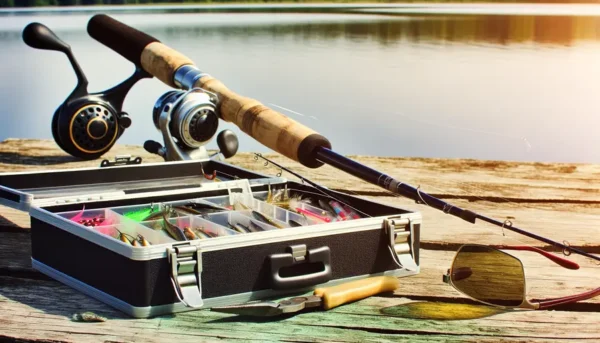
Choosing a rod and reel tailored to your target species is key to building the ideal salmon fishing gear setup. Chinook salmon require a medium-heavy power rod (9 to 10 feet) paired with a strong baitcasting or spinning reel capable of handling 20+ lb lines. Meanwhile, lightweight rods with fast action and 8–12 lb line capacity are better suited for pink and coho salmon.
In rivers like the Skagit or Rogue, a rod rated for 10–20 lb test offers versatility. Over on Vancouver Island, many anglers prefer lighter gear for the Campbell River’s late-summer coho runs. A collapsible travel rod—from brands like Ugly Stik or St. Croix—is a smart option for fly-in trips to remote regions like King Salmon, Alaska.
Tip: Always test your rod and reel balance before departure. A mismatched setup leads to poor casting control and unnecessary fatigue.
Line, Leaders, and Terminal Tackle: Gear That Works Overtime
Even premium rods won’t perform without the right fishing line and tackle. For most salmon fishing gear setups, monofilament or fluorocarbon lines in the 15 to 30 lb range strike a balance between strength and sensitivity. Fluorocarbon, known for its low visibility, excels in clear rivers like the Dean in British Columbia. For murkier rivers such as the Columbia tributaries, monofilament is a dependable choice.
Leaders should be slightly weaker than the main line to avoid total breakage when snagged. Use quality swivels to prevent line twists and carry variety packs of hooks (sizes 1 to 5/0) suited for different bait types and salmon species.
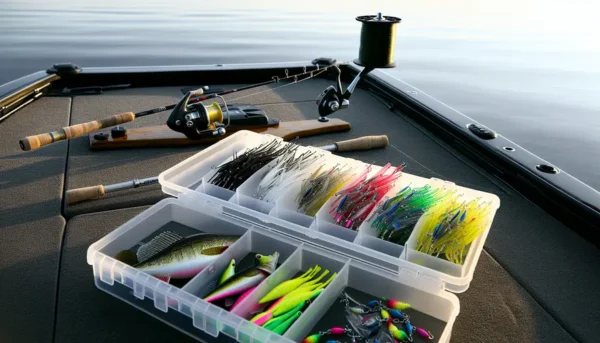
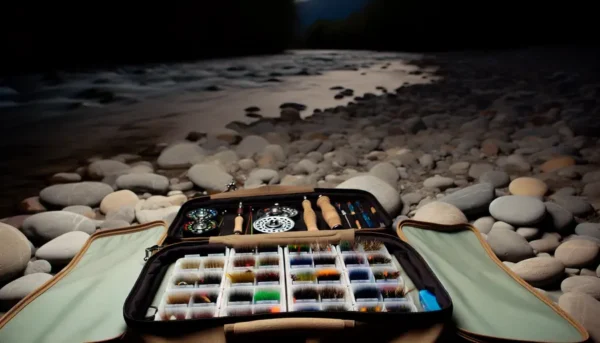
Pro Tip: A waterproof tackle box with essentials—split shot sinkers, egg loops, beads, and yarn—lets you pivot quickly as fish behavior changes throughout the day.
Waders and Boots: Stay Warm, Dry, and Mobile
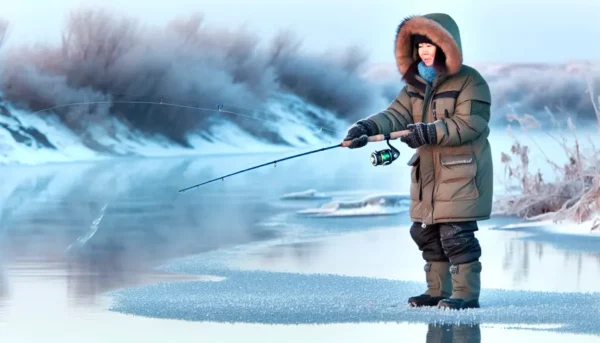
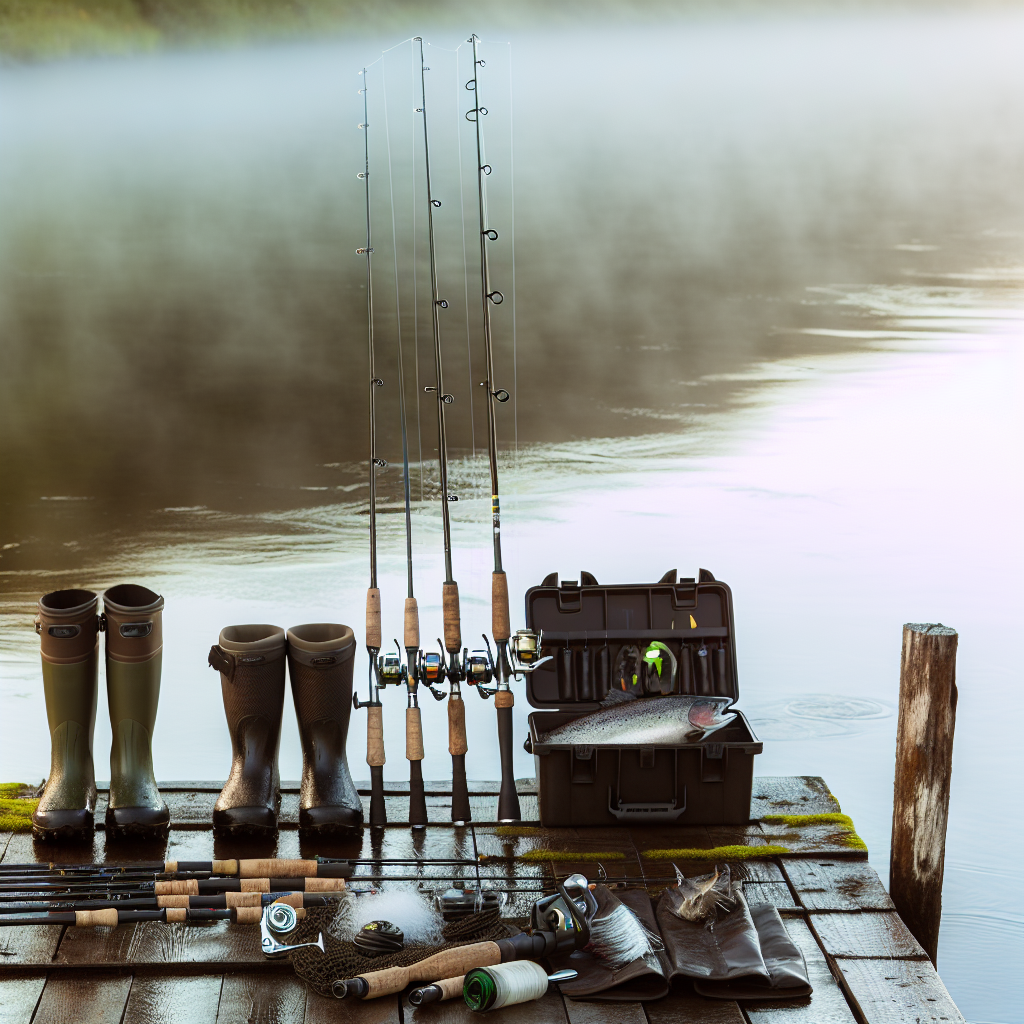
Spending hours in cold, flowing water means your salmon fishing gear must include quality waders. Breathable chest waders with reinforced knees, such as those from Simms or Patagonia, allow for flexibility and thermal comfort without overheating. They’re essential for glacier-fed rivers like the Skeena or Alagnak.
Footwear matters too. Use felt or studded rubber-soled boots to maintain grip in rocky rivers like the Squamish. For the more casual streams of Oregon’s Tillamook Bay, insulated hip waders are sufficient—especially for families with young anglers.
Tip: Always check local regulations—felt soles are restricted in some areas to prevent invasive species transfer.
Lures, Baits, and Flies: The Right Presentation Matters
One of the most crucial elements of salmon fishing gear is your choice of bait and lures. Spinners like Blue Fox Vibrax, Mepps, and Kwikfish are popular across the Pacific Northwest. Fly anglers swear by the Egg Sucking Leech or Popsicle streamer in rivers like the Deschutes and Kodiak’s hidden creeks.
Trolling enthusiasts in coastal B.C. often use anchovy-laced hoochies with dodgers. In Alaska’s estuaries, sockeye respond well to roe under a float. Local tackle shops like The Prospector in Fairbanks offer valuable region-specific options that outperform generic setups.
Insider Tip: During fall runs on Seattle’s Green River, a blend of cured roe and shrimp can out-fish most lures. Flexibility is key—salmon preferences shift with water clarity, temperature, and pressure.
Tools and Accessories: The Details That Make the Difference
Effective salmon fishing gear includes essential tools that support your success beyond casting. A reliable pair of needle-nose pliers helps with hooks and rigging. A line cutter or multitool saves time, and a quality scale or tape measure documents your catch for potential contests.
Invest in fish handling gloves to protect your hands, especially when filleting. Also pack a fish stringer to keep your haul fresh. Compact extras like a folding landing net, headlamp, and GPS-enabled maps are smart additions for unpredictable conditions on rivers like the Nushagak or Copper.
Tip: Redundancy matters. Bring a backup multitool or secondary pair of pliers—if one drops in the river, your day won’t be ruined.
Safety, Licenses, and Local Rules
One often-overlooked part of salmon fishing gear is your legal and safety checklist. Pack a waterproof bag with your fishing license, government-issued ID, and laminated regional fishing rules. Regulations differ between regions; for instance, British Columbia may require guides or restrict fishing to certain days.
Basic safety items—first aid kit, whistle, bear spray, and signaling gear—are critical if you’re heading deep into the backcountry. Let someone know your destination when fishing alone in interior regions like the Sustut or upper Alagnak.
Pro Tip: When fishing with children or beginners, choose managed locations like Centennial Park on the Kenai or Oregon’s Trask River. On-site staff and easier access ease the learning curve and boost safety.
Adapting Your Setup to the Destination
Not all salmon waters are created equal. Customizing your salmon fishing gear to each destination improves results. Fly-in lodges in Yakutat or Cordova may require compact, rugged gear, while urban anglers near Seattle or Vancouver need versatile setups that accommodate changing tides and pressure.
Before traveling, check real-time river levels via apps like RiverFlows or region-specific Fish & Wildlife alerts. Talk to local anglers at community bulletin boards or tackle shops to see what gear is working that week—it often changes fast.
Tip: A modular gear approach lets you adjust. Carry gear that performs across float fishing, spinning, or fly setups for maximum flexibility.
More Than a Catch: Gear Up for the Full Experience
Salmon fishing is about more than landing the big one—it’s about immersing yourself in rugged landscapes, connecting with locals, and spending time with loved ones in nature. Each piece of salmon fishing gear you bring should support those moments of discovery, reflection, and adventure.
By customizing your setup, remaining aware of changing conditions, and learning from each experience, you’ll walk away with more than just fish. The right gear sets the stage for memories that last far longer than a photograph.
Pack wisely, fish passionately, and respect the waters. Let your salmon fishing gear be the trusted companion for countless stories cast across North America’s greatest rivers.