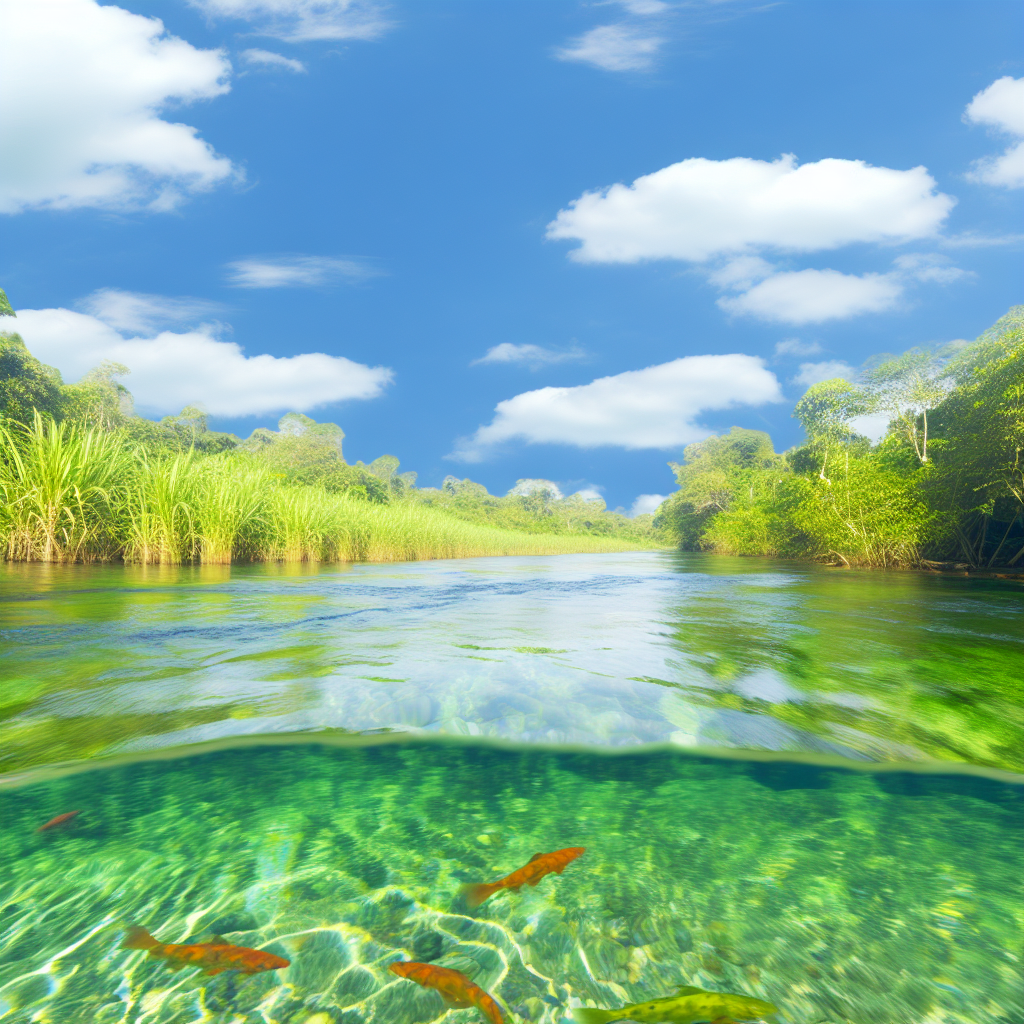
Water Quality in Fishing: Why It Matters for Every Angler
Water quality in fishing plays a crucial role in the success of any angler, from casual hobbyists to seasoned pros. Whether you’re casting into the turquoise shallows of the Florida Keys or fly-fishing in Montana’s icy Big Hole River, healthy water means healthy fish. Understanding water quality in fishing not only improves your chances of a great catch—it also supports ecosystems, boosts local economies, and reinforces the cultural fabric of communities rooted in fishing.
This often-overlooked aspect of fishing tourism connects travelers to conservation, public health, and sustainable livelihoods. Learning how to identify water quality can help you discover rich, rewarding fishing spots—often hiding in plain sight. Here’s how water quality in fishing shapes opportunities for travelers and what you can do to make the most of it.
How Water Quality Affects Fish Populations
Water quality in fishing influences where fish live, breed, feed, and migrate. Each species of fish has specific water conditions where it thrives. Some require cold, oxygen-rich streams, while others tolerate warmer, more turbid waters. Key indicators like temperature, pH, oxygen levels, turbidity, and contaminant presence directly affect fish survival and abundance.
Consider Silver Creek Preserve in Idaho, a premier fly-fishing destination where crystal-clear, spring-fed water supports robust rainbow and brown trout populations. Conservation efforts there maintain stable temperatures and exceptional clarity. In contrast, waterways like California’s Salton Sea have experienced massive fish die-offs due to pollution and excessive salinity. This stark contrast highlights why water quality in fishing must never be ignored.
For anglers on the road, checking local water reports and choosing destinations known for clean, healthy ecosystems can turn an average trip into an unforgettable one.
Family Fishing Trips: Choosing Clean and Safe Waters
Families planning weekend fishing adventures should always consider the water quality in fishing spots. Clean rivers and lakes don’t just increase the chance of catching fish—they ensure safe, enjoyable environments for swimming, wildlife viewing, and picnicking.
Ludington State Park in Michigan is a standout choice. The Big Sable River flows consistently and clearly into Lake Michigan, creating a family-friendly setting for young anglers. Nearby trails offer hands-on education about how water quality supports healthy ecosystems.
In Oregon, the Rogue River near Grants Pass offers strong runs of Chinook and steelhead thanks to water quality protections. Parents and kids alike can fish from the shore or paddle alongside salmon on a kayaking adventure. Visiting nearby hatcheries adds educational value by showing how clean water supports thriving fisheries.
Before you pack up the car, consult state park websites or eco-tourism guides, many of which offer water quality ratings. You can also use mapping tools from the EPA or state agencies to check current conditions and avoid polluted areas.
Hidden Gems for High Water Quality Fishing
If you’re an angler who enjoys discovering lesser-known destinations, focusing on water quality in fishing can lead you to inspiring new places. While well-known rivers like Alaska’s Kenai or Colorado’s Fryingpan often steal the spotlight, quiet spots with exceptional water quality offer equally incredible experiences.
The White River in Arkansas is a prime example. Its tailwater system, regulated by a dam, maintains steady flow and cool temperatures—ideal for brown trout. This consistent water quality supports year-round fishing and tranquil surroundings for solo and couple trips.
Montana’s Bighorn River, fed by the Yellowtail Dam, features premier trout fishing and breathtaking landscapes. In Fort Smith, local guides and shops share insights about water quality and the Crow Nation’s efforts to manage and protect these waters.
In California’s Eastern Sierra, places like Bridgeport Reservoir are regaining fish populations thanks to community-led efforts to reduce agricultural runoff. These high-elevation spots offer clean water, dramatic views, and crowd-free fishing—all tied together by a commitment to water quality.
How to Assess Water Quality While Traveling
You don’t need a scientific degree to assess water quality in fishing areas. With a few tips and tools, you can gather reliable clues about the condition of any stream, river, or lake before you cast your line.
- Ask local bait shops and fishing boards for recent updates on water conditions, including clarity and algae presence.
- Watch for insect activity (like mayflies), aquatic vegetation, and baitfish—all signs of a thriving aquatic ecosystem.
- Avoid waters with strange odors, discoloration, dead fish, or floating trash—clear signs of pollution.
- Carry a TDS (Total Dissolved Solids) meter to get quick insight into mineral and pollutant levels.
- Use water quality apps like RiverApp or Waterkeeper Swim Guide to find real-time updates on North American and European waters.
These simple steps allow you to safely navigate new fishing destinations and make smarter, conservation-minded choices.
Support Water Quality Through Responsible Travel
Where and how you travel can directly support strong water quality in fishing destinations. Choosing eco-conscious guides, staying at environmentally friendly lodges, and practicing catch-and-release fishing are just a few ways anglers can contribute to better water health.
For example, the Elk River in Banner Elk, North Carolina is protected through grassroots conservation efforts. Local schools and volunteers monitor water quality and clean up streams, while outfitters often reward participation with discounts and guided tours.
Similarly, the Driftless Area of Wisconsin and Minnesota—once devastated by erosion—has rebounded through angler advocacy for better land-use practices. Now, it’s a hotspot for fly-fishers who value clean, spring-fed creeks full of native trout.
Whenever possible, hire local guides trained in sustainable practices. Not only do they know where the fish are, but they also offer valuable insights into the health and history of the waterways.
Best Seasons for Optimal Water Quality Fishing
Choosing the right season can significantly improve your fishing success by aligning your trip with optimal water conditions. Water quality in fishing areas often peaks during spring and fall when cooler temperatures boost oxygen levels and reduce harmful algae.
In Maine’s Rangeley Lakes region, late spring and early summer offer crystal-clear conditions and highly active brook trout. Out West, rivers like Utah’s Green River benefit from fall temperature drops and pre-spawn trout behavior, making for dynamic fishing experiences.
Tropical regions such as the Florida Everglades or Belize are best fished during the dry season when clearer water improves visibility and reduces runoff pollution. Always check snowpack forecasts and scheduled dam releases if you’re visiting tailwater rivers.
Local outfitters and tourism boards typically offer seasonal fishing calendars to help you plan around the best water conditions.
Let Water Quality Guide Your Fishing Adventures
Water quality in fishing is more than a detail—it’s the foundation of a successful, sustainable, and enriching angling experience. Whether you’re exploring alpine streams, coastal flats, or sun-dappled lakes with your family, the clarity and cleanliness of the water shape every part of your journey.
By choosing destinations that prioritize water conservation, you’re not just improving your odds of landing fish—you’re joining a growing movement of travelers and anglers working to protect the planet’s most valuable resource. Understanding and respecting water quality in fishing will reward you with vibrant ecosystems, meaningful adventures, and stories worth sharing.