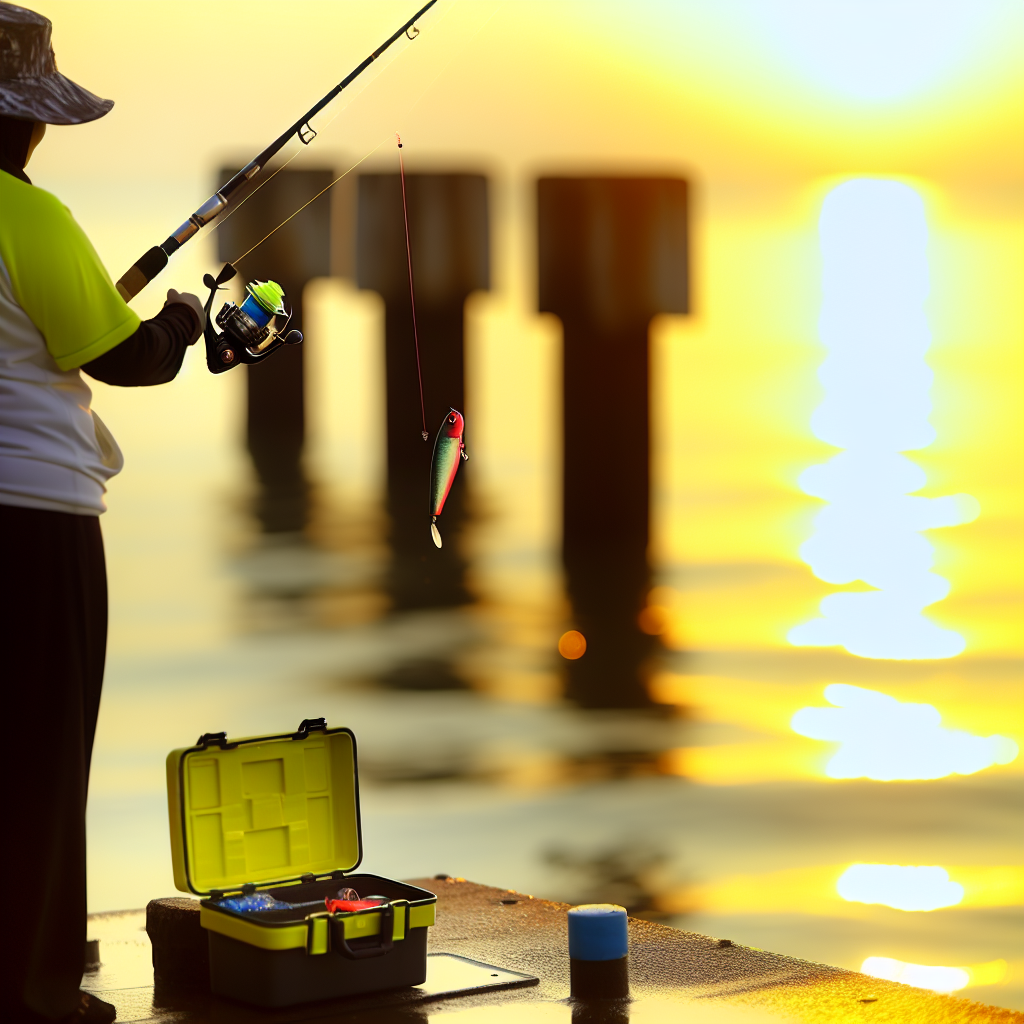
Mastering Jigging Techniques: An Outdoor Skill Worth Learning
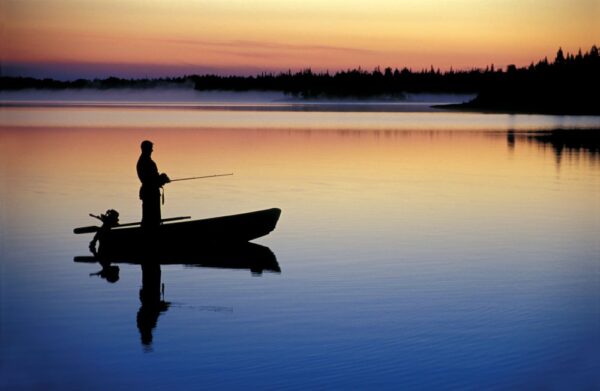
Jigging techniques are essential outdoor skills that combine rhythm, patience, and motion—making them perfect for anglers of all levels. Whether you’re chasing silver salmon in Alaska or casting off Newfoundland’s coastal piers, learning how to jig transforms a quiet afternoon into a dynamic and rewarding experience. Unlike bait casting or fly fishing, jigging mimics the movement of wounded prey through deliberate rod lifts and drops, luring in curious predators in lakes, bays, or open seas.
This method appeals not only to solo adventurers and seasoned anglers, but also to families exploring hidden coves or locals returning to their favorite fishing holes. With the right jigging techniques, you can maximize your chances of success while enjoying deeper connections with nature and regional fishing traditions.
Essential Jigging Gear: Tools That Make a Difference
To fully benefit from effective jigging techniques, starting with the right gear is key. Your setup should match your location and the species you hope to catch. Whether you’re planning a short family weekend to Rhode Island or setting off on a Scandinavian fishing tour, selecting appropriate gear will elevate your jigging game.
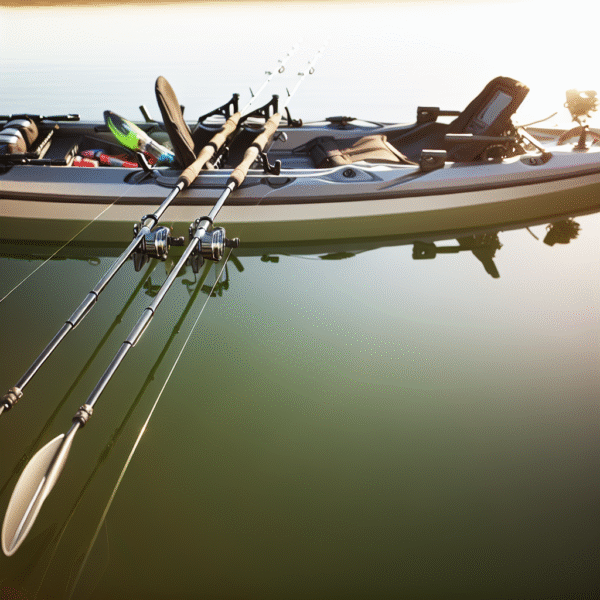
Begin with a medium-action spinning rod between 6 and 7 feet long, which offers both sensitivity and comfort. This setup, paired with a spinning reel spooled with 10- to 20-pound braided line, is ideal for detecting subtle bites and managing various jig weights. Some highly effective jig types include:
- Diamond jigs: Perfect for deep-sea fishing in areas like Boothbay Harbor, Maine.
- Butterfly jigs: Great for vertical jigging in deep lakes such as Norway’s Lake Mjøsa.
- Soft plastic jigs: Well-suited for calmer coastal waters around Vancouver Island.
Keep a waterproof tackle box stocked with jig weights ranging from 1/4 oz to 3 oz and a variety of fluorocarbon leaders for flexibility. A tip from anglers in Lunenburg, Nova Scotia: add a sliver of baitfish or squid to your jig when targeting cod—especially in colder waters—for an improved strike rate.
Jigging Techniques for Beginners and Families
Introducing jigging techniques to beginners or young anglers is all about simplicity and fun. A highly effective starting method is the “lift-drop” technique. Lower your jig vertically until it touches bottom, then lift your rod tip by 1 to 2 feet, pause, and let the jig sink again. This motion imitates a wounded baitfish, triggering the predatory instincts of nearby fish. Repetition builds rhythm, which enhances engagement for the angler—and results in more fish on the line.
Great family-friendly jigging locations include Brackley Point on Prince Edward Island, where mackerel swim close to shore in summer. Early morning or dusk hours often yield the best results. Bring along glow-in-the-dark jigs, some cozy folding chairs, and insulated cocoa mugs to create lasting memories under northern skies.
Advanced Jigging Techniques for Experienced Anglers
Once you’ve mastered basic jigging techniques, you can escalate your skills with advanced methods that target larger and deeper-water species. “Speed jigging” is a high-energy method ideal for tuna or amberjack. It involves quickly retrieving the jig while snapping the rod in sharp motions, mimicking fast-moving prey.
Places like Costa Rica’s Nicoya Peninsula or New Zealand’s Bay of Islands offer prime locations for speed jigging. Drop butterfly jigs to depths of 80-100 meters and retrieve with aggressive sweeps. Wear gloves and polarized glasses—this method can be physically demanding and sun-intense.
For a more refined approach, try “slow-pitch jigging.” This method uses slow, precise rod lifts combined with pauses to let the jig flutter down naturally—ideal for groupers, snappers, and other reef dwellers. Use a parabolic rod and high-ratio reel to maintain consistent action. In Okinawa, anglers recommend luminous jigs during twilight, especially when synchronized with incoming tides.
Jigging as a Cultural Experience
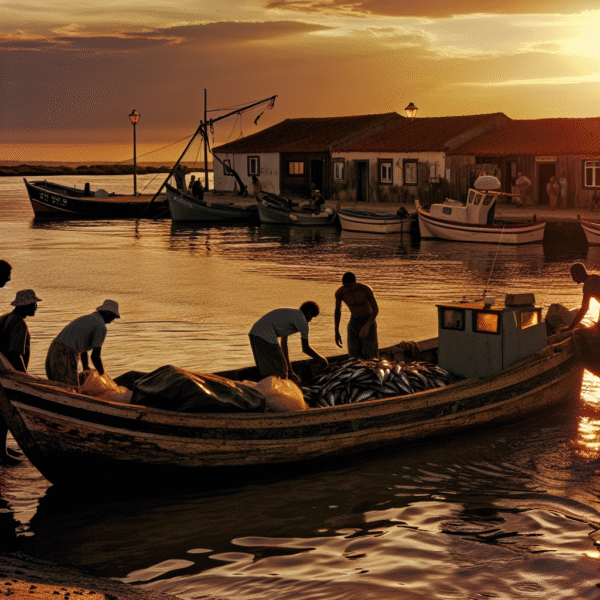
Beyond its fishing utility, jigging techniques serve as cultural touchstones in communities around the globe. In Newfoundland, the seasonal “food fishery” invites locals and visitors alike to jig for cod using traditional wooden rigs. Shared meals and oral stories enrich this experience. Travelers visiting Trout River Wharf during the summer season can often find pop-up workshops teaching heritage jigging skills from seasoned local anglers.
In Norway, jigging doubles as both sport and social tradition. Along Oslofjord, weekenders fashion jigs from recycled materials like soda can tabs and set up camp for pollock runs. Joining a local “fiskelag” (fishing team) is a friendly, immersive way to learn regional jigging techniques while forming cross-cultural friendships.
Top Family-Friendly Destinations for Jigging Adventures
If you’re looking to pair travel with hands-on jigging experiences, consider these kid-friendly destinations:
- Lake Michigan, USA: Milwaukee and Chicago piers offer accessible spots for jigging perch and whitefish, with great views and nearby amenities.
- Tofino, British Columbia: Perfect for jigging lingcod amid scenic cliffs, hot springs, and redwood forests. Many guides cater to beginners and families.
- Skjervøy, Norway: Located above the Arctic Circle, this magical destination combines whale-watching with Arctic cod jigging beneath the midnight sun.
- Kangaroo Island, South Australia: Jetties at Penneshaw or Stokes Bay provide excellent jigging for squid and cuttlefish between April and July. They’re easy and fun to catch—and even better when grilled beachside.
Before dropping a line, always review local fishing regulations. Many destinations offer “kids fish free” initiatives and workshops focused on starter jigging techniques, especially during school holidays or environmental awareness weeks.
Expert Tips to Enhance Your Jigging Experience
Successful jigging trips balance preparation, safety, and environmental mindfulness. Use these insider strategies to elevate your adventure:
- Use local tide and moon-phase apps: Fish behavior changes with rising and falling tides. Consult tools like Navionics or Fishbrain before heading out.
- Leave no trace: Recycle used line and worn-out lures properly—fishing debris harms aquatic ecosystems.
- Dress in layers and UV-resistant clothing: Weather on the water shifts quickly. Polarized sunglasses and light SPF gear will help keep you safe while enhancing visibility.
- Tap into local wisdom: Chat with dock workers, tackle shop owners, or local charter guides. Community insight is often more accurate than basic web research.
- Respect private property: Always get permission when fishing from docks, wharfs, or waterfronts near homes. In places like Galway Bay or Rockland, Maine, lesser-known sites often yield better results with fewer crowds.
By learning jigging techniques and respecting the traditions and environments where they’re practiced, you enrich both your angling skills and your connection to the world around you. Whether you’re a curious beginner, family adventurer, or seasoned Jigging pro, each cast becomes an opportunity for discovery.