“`html
Spring bass fishing tips are eagerly anticipated as the frost of winter gives way to warmer days, and anglers everywhere look forward to the prime fishing opportunities this season offers. Bass, rejuvenated and hungry, become more active in the warming waters. Perfecting your approach during this transition period can make all the difference in your success on the water. By mastering these spring bass fishing tips, you can maximize your catch and savor the thrill of the sport.
Understanding Bass Behavior in Spring
Spring is a dynamic time for bass; as they transition from lethargic winter behavior to the active spawning season, understanding this shift is essential for success. As temperatures rise, bass move from deep waters to shallow spawning grounds, becoming more aggressive. Focus your efforts in areas that warm quickly, like the north shorelines or coves where the sun’s rays hit longest. Use water temperature as a guide, with bass beginning to spawn when temperatures reach about 55 to 65 degrees Fahrenheit.
Experienced anglers know that before bass fully commit to spawning, they often enter a pre-spawn phase characterized by aggressive feeding behavior. During this period, target large female bass that are bulking up for the energy-intensive process of spawning. Look for bass congregating near drop-offs, points, and structures near spawning areas. This knowledge is a vital component of these spring bass fishing tips that can transform your fishing endeavors from ordinary to outstanding.
Optimize Lure Choices for Spring Bass Fishing
Choosing the right lure is an art mastered by seasoned anglers. In spring, versatile baits that imitate bass’s natural prey work wonders. Start with crankbaits in bright colors like chartreuse or red that mimic panfish or crawfish. Jerkbaits are another favorite during this season, with their erratic action resembling injured baitfish that bass find irresistible.
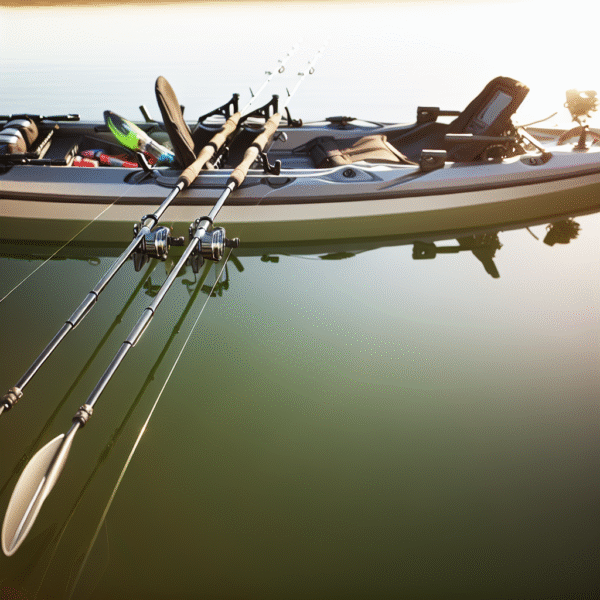
For shoreline anglers and those fishing from kayaks, soft plastics such as worms and creature baits rigged Texas or Carolina style can be effective when cast near submerged structures like fallen logs or vegetation beds. Use topwater lures as the season progresses, especially at dawn or dusk.
Including lipless crankbaits in your arsenal is wise as they excel in covering large areas quickly, ideal for locating schools of bass. As part of comprehensive spring bass fishing tips, equip yourself with a range of lure options to adapt to changing conditions and bass moods.
Target Effective Locations
Location can be the difference between an empty day and a productive one. Seasoned anglers have mastered the art of reading water and recognizing bass hotspots. During spring, focus on points, creek channels, and transitional zones. These areas offer bass a combination of security and access to feeding grounds. Spending more time fishing near structures—anything from sunken trees to docks—can attract bass.
Lakes with plenty of vegetation are excellent choices as the vegetation holds heat, oxygen, and prey, attracting bass. Explore the influence of inlets and outlets in smaller lakes and ponds; they carry nutrients that attract baitfish and bass. Local fishing reports provide timely insights into bass activity and prevalent patterns, tailoring your strategy to specific conditions.
Navigate Weather and Water Conditions
Understanding spring weather’s impact is key to successful bass fishing. Cold fronts can drop water temperatures, sending bass back into deeper waters and slowing their activity. A vital spring bass fishing tip is to observe the weather and adjust your tactics accordingly.
Wind direction and speed can significantly affect fishing conditions. Wind can push baitfish towards windblown banks, creating a feeding frenzy for bass. Alternatively, when the wind is calm, a subtle, stealthier approach might be needed as bass may be more scattered.
Water clarity changes with weather patterns as well. In murkier waters post-rainfall, bass rely more on senses other than sight to find food. In these conditions, consider switching to darker lures that provide strong contrast and vibrations. The changing face of spring requires an adaptive approach, and mastering it can yield exceptional rewards.
Prepare with Essential Gear and Safety Tips
Preparation for spring bass fishing involves more than just technique; it requires the right gear and safety measures. Have a variety of rods and reels ready—medium-heavy for casting crankbaits and soft plastics and a lighter setup for finesse techniques. Stock a diverse selection of lures to adapt to ever-changing spring conditions.
Safety on the water is paramount as spring brings revitalized currents, variable weather, and cold water, all calling for vigilance. Always wear a life jacket, particularly when fishing from boats or kayaks. Ensure your first-aid kit is stocked, and inform someone of your planned location and expected return.
With these spring bass fishing tips, embrace the balance of strategy, adaptation, and safety. The waters are rich with opportunity. Use these insights to seize them fully.
“`