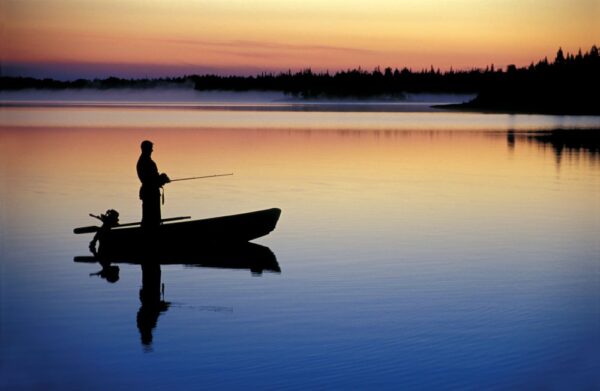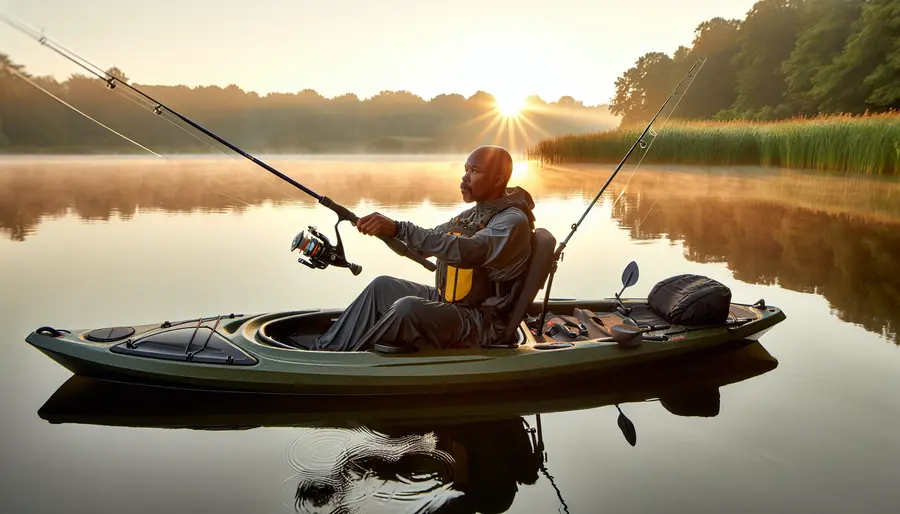
Kayak Fishing for Beginners opens the door to a unique blend of serenity and excitement. It combines the thrill of fishing with the peacefulness of paddling on open water. For those new to the sport, this guide offers an unparalleled way to experience angling from a fresh perspective. It fosters a closer connection to nature and the quarry below, equipping you with essential knowledge and skills to ensure a successful and enjoyable maiden voyage.
Choosing the Right Kayak
The first step in kayak fishing for beginners is selecting the right kayak. With an array of options available, it’s critical to choose one that fits your needs and budget. A sit-on-top (SOT) kayak is often recommended due to its stability and ease of use, crucial for beginners. Models like the Perception Pescador or the Lifetime Tamarack are excellent choices, offering sufficient storage for tackle and ensuring comfort over prolonged fishing sessions.
Consider the waters you’ll primarily fish. For calm lakes or ponds, a 10-12 foot kayak offers maneuverability and sufficient storage. In contrast, ocean or river fishing requires more robust, longer kayaks for extra stability in waves and current. Also, assess the weight capacity to ensure it can comfortably hold you and your gear. Kayak fishing for beginners doesn’t require the most expensive gear, but investing in a good, stable kayak will pay off in the long run.
Essential Gear for Kayak Fishing
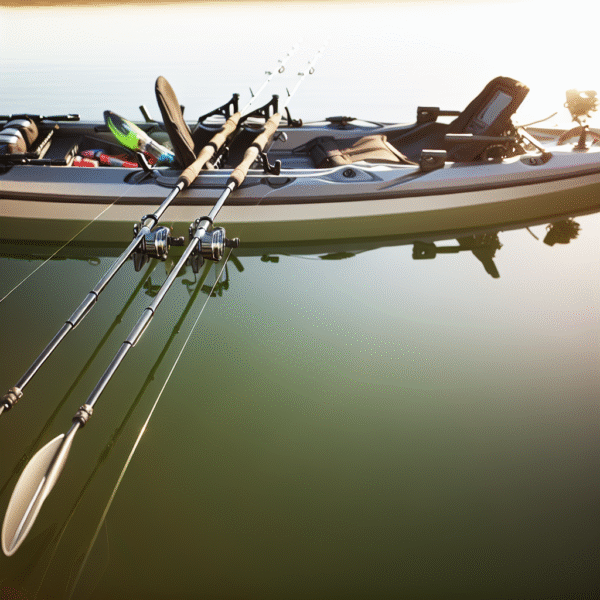
The excitement of kayak fishing lies as much in the gear as in the fish. While traditional angling equipment still holds, kayak fishing involves some specific add-ons. Start with a quality paddle—lightweight and efficient. Brands like Bending Branches or Carlisle Paddles offer reliable performance on the water.
Personal Flotation Devices (PFDs) are non-negotiable for kayak fishing. Choose a comfortable, fishing-specific model like the NRS Chinook, designed with angler-friendly features such as pockets for tools and gear. Your tackle should be adaptable and versatile. Opt for a medium-action spinning rod—around 6-7 feet long. It will be versatile enough for various species, from largemouth bass to panfish. Match it with a spinning reel spooled with 8-12 lb. test monofilament or braided line to cover most situations you might encounter.
Understanding Seasonal Patterns and Fish Behavior
Understanding seasonal patterns and how they affect fish behavior can dramatically improve your fishing success. In spring, fish are often found in shallower waters, warming up and preparing for spawning. Target species like bass or crappie closer to shorelines or shallow coves.
Summer pushes fish into deeper, cooler waters. Kayak fishing for beginners in this season might involve targeting shaded areas, under docks, or using depth finders to locate fish concentrated around drop-offs or submerged structures. Fall marks a feeding frenzy as fish prepare for winter. Focus on areas with abundant baitfish activity. Winter kayak fishing, though less common, can still be productive in southern waters where the climate is milder, such as Florida or Texas, where species like redfish and trout are active year-round.
Techniques and Tips for Success
Mastering specific kayak fishing techniques will set you apart from other beginners. One key method is the stealth approach, where you utilize the kayak’s quiet nature to approach fishing spots without spooking the fish. Casting parallel to shorelines or structures can increase your odds, especially when working areas like weed lines or submerged logs where fish often hide.
When selecting lures, versatility is crucial. A small selection of jigs, crankbaits, and soft plastics can cover most situations. For beginners, soft plastic worms on a simple Texas rig or Ned rig offer ease of use and effectiveness. Adjust your tactics based on the conditions and the specific species you’re targeting.
Safety and Boating Tips
Safety cannot be overstated, especially for kayak fishing beginners. Start each expedition by checking the weather and water conditions. Kayaks offer little protection against sudden storms or rough waters. Learning basic paddling techniques, like how to execute a wet exit or self-rescue, is invaluable in avoiding mishaps.
Let someone know your fishing plans, and always carry a dry bag with essentials like a first-aid kit, cellphone, and water. Avoid venturing too far from shore until you gain confidence and experience.
Exploring Local Hotspots
Understanding local hotspots can turn a frustrating day on the water into a thrilling experience. Research lakes, rivers, or coastal areas known for productive fishing. Online forums or local bait shops can suggest reliable locations. For example, Lake Guntersville in Alabama or the California Delta are renowned for their bass fishing, offering diverse structure and abundant fish populations.
Learning to read water and foresee fish-holding structures, like points, submerged islands, or fallen timber, enriches your skill set. Each offers potential depending on the species you’re pursuing and the time of year.
These tips lay a solid foundation for anyone interested in kayak fishing. Beginners will find joy not only in the catch but also in the tranquility of floating on water, surrounded by nature’s splendor. Embrace the journey, hone your skills, and let each outing build your confidence and love for this captivating outdoor activity.