Why Your Fishing Hat and Sunglasses Matter More Than You Think
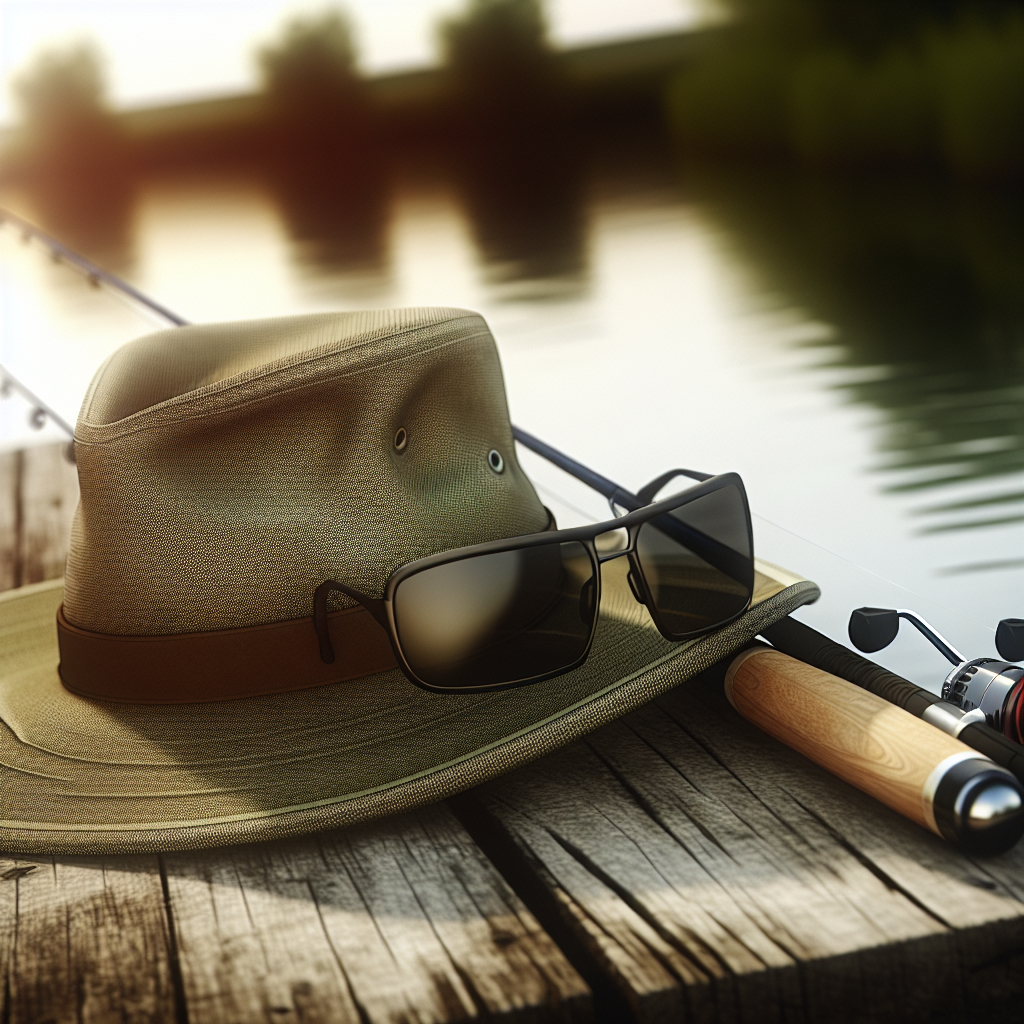
When preparing for your next trip on the water, your fishing hat and sunglasses should top the gear list. Whether you’re casting lines off Monterey Bay or angling in Minnesota’s serene lakes, these essentials protect your eyes and skin while enhancing visibility and comfort. More than just accessories, a quality fishing hat and sunglasses combo shields you from glare, sunburn, visual fatigue, and even long-term medical risks like cataracts or melanoma. With countless options available in shops from Baja to British Columbia, it’s crucial to balance practicality with style. Let’s break down what really matters when choosing fish-ready headwear and eyewear, whether you’re solo at sunrise in Key West or leading a first-time family trip near Alaska’s Kenai River.
Choosing the Right Fishing Hat: Fit, Function, and Field-Tested Comfort
A high-performing fishing hat does more than block sunlight—it serves as your frontline protection against hours of exposure, shifting weather, and even unexpected downpours. Make sure your choice includes these expert-recommended features:
- Wide Brim Coverage: Aim for a 3-inch or wider brim to safeguard your face, ears, and neck. This is invaluable in sunny spots like Flamingo Marina, Florida, or along Nevada’s Lake Mead shoreline.
- Breathable Materials: Opt for quick-drying nylon or polyester for enhanced comfort. In humid locales like Bayou Segnette, Louisiana, moisture-wicking sweatbands are a valuable feature.
- Smart Ventilation: Mesh crown panels offer cooling airflow—a lifesaver in warm regions such as Yellowstone or Cape Cod.
- UV Protection: Choose hats with a UPF 50+ rating to protect against harmful rays on reflective waters like Crater Lake, Oregon.
- Chin Straps: Secure your hat in wind-prone environments. Whether you’re in Big Sky, Montana or the Oregon Coast, an adjustable strap keeps your gear in place.
Parents heading to family-friendly parks such as Colorado’s Estes Park may want to consider legionnaire-style hats with extended neck protection. For travelers, a crushable, packable hat boosts portability—favorites include the Outdoor Research Helios Sun Hat, prized across Southeast Asia and Central America for its durability and light weight.
The Science and Style Behind Fishing Sunglasses
Fishing sunglasses impact both your performance and long-term eye health. The right pair enhances underwater visibility, minimizes squinting, and protects from cumulative UV damage. Here’s what to look for when selecting fishing sunglasses:
- Polarized Lenses: These are a must. They cut surface glare, allowing you to track fish and read water depth. Perfect for flats in Belize or lakes in the Pacific Northwest.
- Lens Color for Conditions: Amber or copper tints increase contrast for shifting light—ideal in the Upper Peninsula of Michigan. Grey lenses offer balanced protection for bright areas like Tampa Bay.
- Wraparound Frames: This design shields from side glare and wind, especially helpful in highly reflective zones like Baja or northern Australia.
- Durable Materials: Impact-resistant polycarbonate lenses are essential when fishing near brush, rocky shores, or boat equipment.
Veteran anglers and coastal guides repeatedly recommend brands like Costa Del Mar, Maui Jim, and Smith Optics for their precision clarity and tough build. You can test-fit pairs at trusted outfitters such as REI or Bass Pro Shops in angler hubs like Tampa, Denver, or Reno. Don’t forget lens coatings: anti-saltwater and hydrophobic treatments make a big difference in places like Key Largo or San Pedro, Belize.
Top Picks for Family Adventures: Fishing Hat and Sunglasses for Kids
Outfitting young anglers? Prioritize lightweight hats with adjustable, breakaway chin straps to avoid snags or discomfort. Sunglasses should include rubberized frames and shatter-resistant lenses. Trusted kid-focused brands include Julbo and Real Kids Shades, often recommended by outdoor pros and pediatricians alike.
For memorable family-friendly outings, explore safe and scenic destinations like Chesapeake Bay or California’s Sierra foothills. Many park programs offer child-focused casting docks and gear loans. Clinics like Tenkara USA in Boulder Creek, CO even pair kids with age-appropriate equipment, including proper sun hats and polarized sunglasses built for smaller faces.
Field-Test Your Fishing Hat and Sunglasses in These Hidden Gems
If you’ve upgraded your fishing hat and sunglasses, why not test them in one of these lesser-known yet incredible fishing destinations?
- Crooked River, Oregon: This prime fly-fishing stream offers strong sun and variable light—perfect for testing brim size and lens clarity.
- Elephant Butte Lake, New Mexico: Sharp sunlight and crystal water push polarized lenses to their limits on this underappreciated desert lake.
- Lake Casitas, California: Mornings bring fog, while evenings glow with sun—ideal for hats and sunglasses that perform across changing conditions.
- Green River, Utah: Canyons reflect sunlight from all angles, making this perfect for high-UPF hats and side-blocking wraparound glasses.
Bait shops in nearby towns—like Simms in Bozeman or Bob Marriott’s in Fullerton—offer insights into local water conditions so you can truly fine-tune your gear use.
Guide-Endorsed Tips for Selecting the Best Fishing Hat and Sunglasses
We consulted outdoor pros from Alaska to the Everglades. These are their top real-world tips:
- Layer Compatibility: Make sure your hat layers well over buffs and hooded jackets—especially in cool or changing climates.
- Lens Flexibility: In cloudy or low-light zones like Oregon or Washington, consider sunglasses with interchangeable lenses instead of packing multiple pairs.
- Floatable Frames: Choose floating sunglasses—brands like Rheos specialize in frames that won’t sink while kayak fishing in mangroves or off Kona’s coast.
- Packability: Look for sun hats that crush easily into backpacks. On long hikes or backcountry treks, convenience beats fashion.
Florida guide Marisol Sanchez favors straw hats with moisture-wicking liners for all-day trips, while YouTuber Jay Nguyen carries two pairs of sunglasses for different light—both tucked in his Lake Tahoe-ready drybag. These practical strategies help ensure your fishing hat and sunglasses perform in real conditions, not just in store displays.
Where to Shop Smart and Save on Reliable Gear
A premium fishing hat and sunglasses combo doesn’t require a luxury budget. In towns like Austin, Asheville, or Portland, check local co-ops, seasonal REI Garage Sales, or secondhand outdoor gear stores. Pop-up markets in areas like Jackson Hole or Homer, Alaska often feature budget-friendly indie brands making high-performance sunwear.
Prefer shopping online? Test-fitting is now possible via try-at-home services from retailers like SportRx (great for prescription sunglasses) or Backcountry (ideal for hat fits). If you’re near places like Seattle’s University Village or Honolulu’s Ala Moana Center, check retailers like Sun Diego or Lids for high-quality, sun-specific selections.
Pro tip: Prioritize reviews written by other anglers. A hat may look fashionable but fall short when waves hit hard off the Gulf Coast.
Your Ultimate Fishing Hat and Sunglasses = Better Days on the Water
Your fishing hat and sunglasses directly affect your experience. From improved visibility and reduced squinting to protection against UV radiation, the right gear makes long days outside more enjoyable and safe. Whether you’re exploring remote alpine lakes in Colorado, helping your kids reel in their first catch, or chasing tarpon in Roatán’s sea flats, gear that fits well and functions flawlessly makes the journey better.
Trust products that are field-tested by fellow anglers and outdoor professionals. Combine comfort, sun safety, and durability—and you can focus on the joy of fishing, not fighting glare or sunburn. Choose right, and you’ll see the water—and the memories—a little clearer.