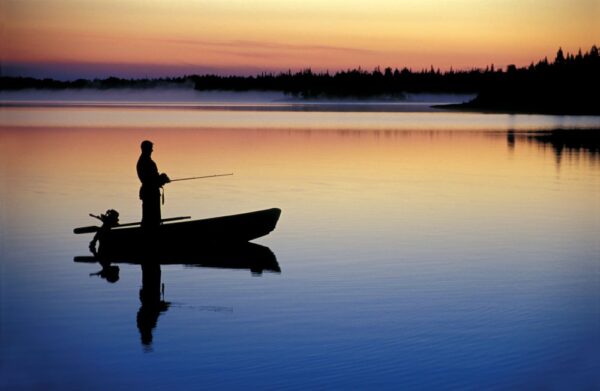
Fishing in extreme conditions offers unmatched adventure—whether you’re a solo traveler seeking solitude, a family hoping to bond outdoors, or an angler chasing adrenaline. These are not average trips. You’ll face nature at its most intense, from ice-covered lakes in Lapland to sun-blasted rivers in Australia. With careful preparation and smart strategy, these harsh environments become unforgettable arenas for reeling in trophy catches.
Fishing in extreme conditions requires more than your favorite tackle. It demands the right gear, local knowledge, and respect for the climate. When well-prepared, you won’t just survive—you’ll thrive. Let’s explore how to fish safely, sustainably, and successfully across the planet’s toughest environments.
Cold Weather Fishing: Ice, Wind, and Precision
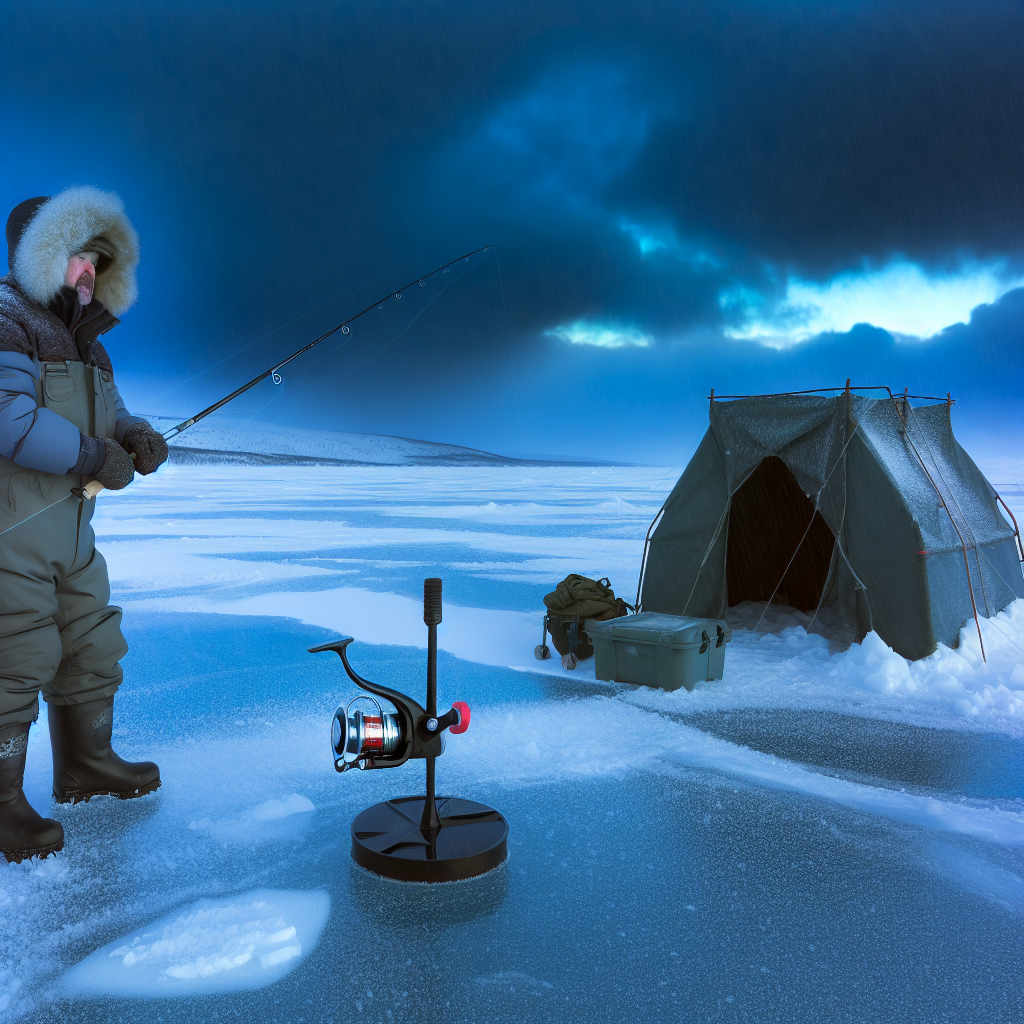
Snow-draped landscapes aren’t just scenic—they’re ideal for ice fishing and frozen lake adventuring. Amazing cold-weather spots include Lake of the Woods between Canada and Minnesota and Sweden’s expansive Lake Torneträsk. In Finland’s family-friendly Inari region, icy conditions double as both angling opportunities and winter safaris for children.
When fishing in extreme conditions like subzero environments, insulation is critical. Wear moisture-wicking layers of synthetic or merino wool and skip cotton. Keep hand and foot warmers on hand, and invest in quality ice shelters, augers, and sleds to transport gear across snow-packed surfaces comfortably.
- Target Species: Northern pike, perch, zander, and lake trout.
- Top Tip: Sonar fish finders and underwater cameras reveal fish coordinates beneath thick ice.
- Insider Insight: Early-season anglers in Yellowknife prefer white jigs tipped with minnows to trigger big lake trout bites.
Late-winter oxygen depletion in shallow lakes can slow fish activity. Portable shelters let you move frequently and target deeper pockets, where fish remain active. For families new to ice fishing, book with local guides—operators in Minnesota’s Baudette provide heated cabins-on-ice, perfect for a safe, immersive start.
Heat & Humidity: Tropical Travel and Tactical Fishing
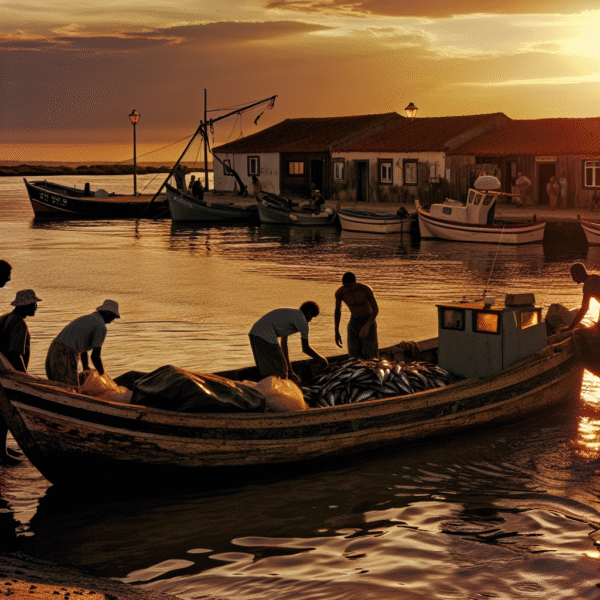
On the opposite end of the spectrum, fishing in extreme conditions often means dealing with blistering sun and unpredictable downpours. In destinations like Australia’s Northern Territory, the Amazon Basin, or Thailand’s Mekong River, anglers chase fierce warm-water fighters like barramundi and arapaima amid sweltering heat.
Here, hydration is everything. Carry electrolyte tablets, drink often, and wear long-sleeved, breathable clothing to avoid heatstroke. Broad-brimmed hats and reef-safe sunscreen are essential. Fish during dawn and dusk to maximize opportunities and minimize heat exposure.
- Target Species: Barramundi, peacock bass, arapaima, snakehead, giant trevally.
- Top Tip: In Kakadu National Park, dry-season barramundi feed near river mouths early in the morning.
- Insider Insight: On the Mekong, Thai anglers use feathered jigs infused with fermented shrimp paste for competitive bites.
Carry tropical-ready gear, including corrosion-resistant reels and graphite rods that handle high temperatures. Storms form quickly in the tropics, so monitor forecasts closely. Let someone know your route and travel with satellite communicators or local guides in unfamiliar waters.
High-Altitude and Remote Fishing Destinations
Fishing in extreme conditions doesn’t stop at sea level. Remote alpine lakes and elevated rivers provide breathtaking beauty and surprising rewards. From Colorado’s high country to the Himalayas, these places offer excellent cold-water trout and golden mahseer—but require physical endurance and acclimatization.
Before fishing above 7,000 feet, spend 24 to 48 hours adapting to avoid altitude sickness. Bring lightweight trekking gear, pack a compact fly rod, and carry portable oxygen if symptoms appear. These remote trips are best shared with groups or experienced guides.
- Target Species: Rainbow trout, brown trout, golden mahseer.
- Top Tip: In the Andes, sun-warmed midday hours spark fish activity in cold streams.
- Insider Insight: Anglers in India’s Garhwal region report great strikes on copper Mepps spinners in turbulent rivers.
Families traveling to areas like Rocky Mountain National Park can begin with stocked community ponds before exploring high-altitude outposts. For solo travelers, safety comes first—identify escape routes and pack emergency beacons in case you’re out of signal range.
Stormy Waters and Windswept Shores
Storm-fed waves and wild coastal weather often create the ideal feeding frenzy for big game fish. For experienced anglers, fishing in extreme conditions off coastlines like New Zealand’s South Island or Ireland’s western shores can mean record-breaking catches.
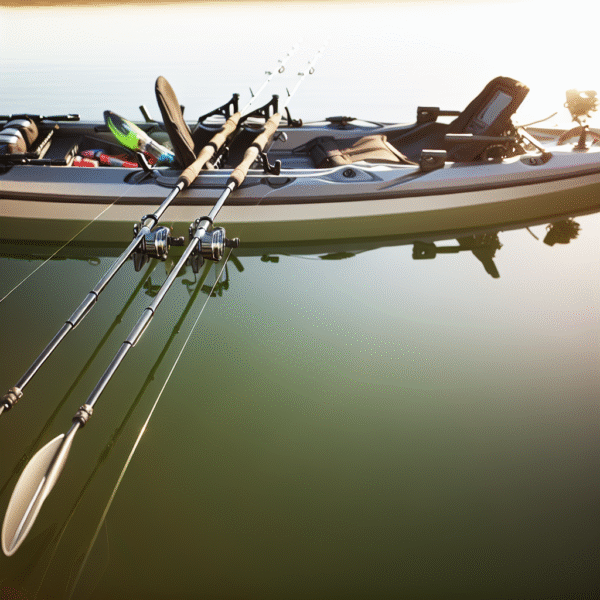
Preparation is everything in coastal wind zones. Wear waterproof, storm-rated gear and polarized sunglasses to spot baitfish movement. Use rod holders to secure valuable equipment and reduce fatigue. Chartering with local experts adds an extra layer of weather awareness and on-the-spot decision making.
- Target Species: Striped bass, snapper, tarpon, pollock, blue cod.
- Top Tip: Evening squalls bring baitfish close ashore along New Zealand’s Fiordland coast, making land-based casting effective.
- Insider Insight: Louisiana anglers favor surface lures during storm surges to attract redfish moving into flooded marshes.
In rough weather, families should opt for protected bays—like Oregon’s Tillamook Bay or Portugal’s Algarve—which provide access with safety. Solo anglers should confirm multiple access points and bring weather radios or GPS messengers in unpredictable climate zones.
Drylands and Desert Fishing: A Hidden Frontier
Desert terrain may seem fishless, but oases and manmade reservoirs in arid areas offer stunning fishing surprises. Fishing in extreme conditions here centers around limited water, vast landscapes, and uniquely adapted wildlife.
Explore Lake Powell on the U.S. Southwest border or South Africa’s Karoo farm dams for striped bass, carp, and yellowfish. Fish behavior in desert ecosystems tracks temperature shifts and brief monsoon surges—timing is everything.
- Target Species: Striped bass, tilapia, carp, yellowfish, catfish.
- Top Tip: In the Karoo, late-afternoon temperatures prompt fish to feed before cold nights shut them down.
- Insider Insight: Arizona anglers achieve best results at dusk using surface lures along Glen Canyon’s shaded cliffs.
Desert angling demands efficient hydration, shade shelter, and careful planning. Focus fishing efforts during early mornings or after sunset to beat oppressive temperatures. State-managed parks like Alamo Lake in Arizona offer facilities tailored for family groups and wildlife-focused experiences.
Plan Smart, Fish Hard, and Respect the Elements
Fishing in extreme conditions isn’t reserved for elite survivalists—it’s a pathway to resilience, exploration, and connection with nature. Whether you’re navigating white squalls, blistering savannas, or icy tundras, preparation is the foundation of success and safety.
Choose your environment wisely, respect local wildlife and customs, and equip yourself responsibly. With the right strategy, anglers and families alike can unlock once-in-a-lifetime fishing stories in Earth’s wildest reaches.