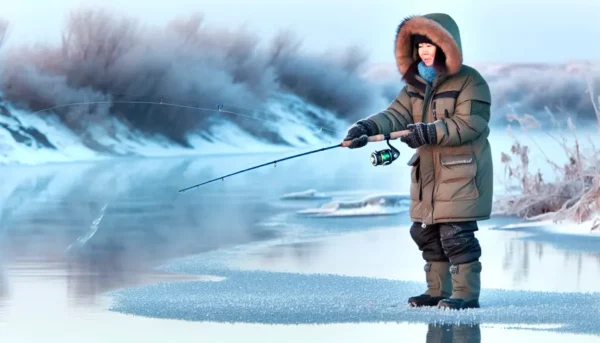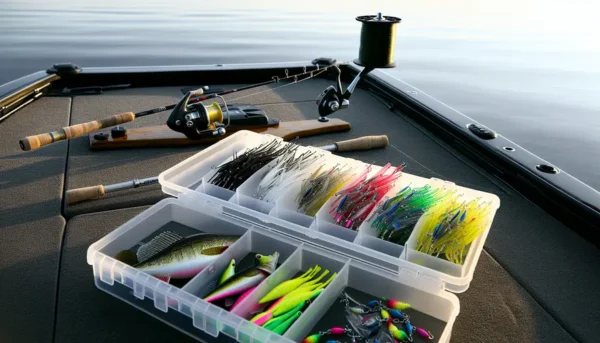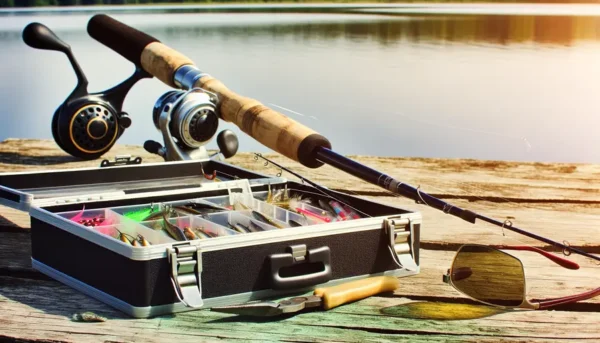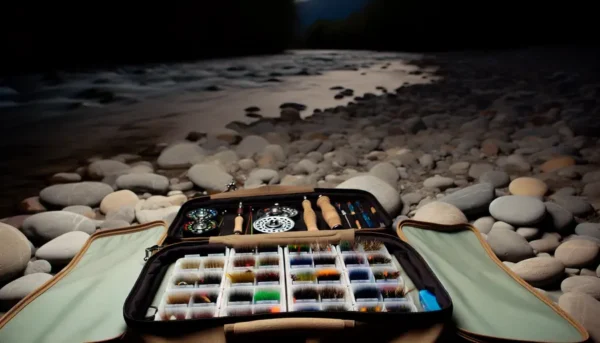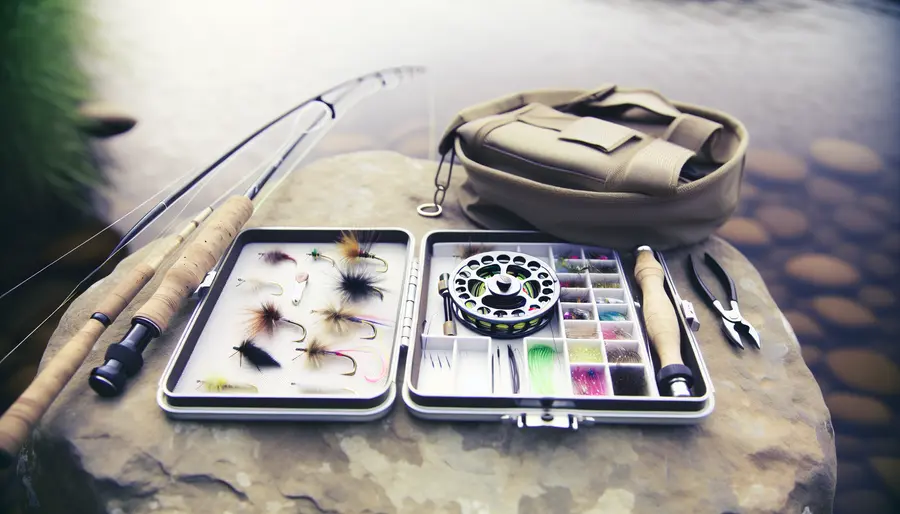
Begin your exciting journey into fly fishing by assembling the perfect Beginner Fly Fishing Kit. This guide will help you gather all the essentials you need to ensure a smooth, enjoyable start in the sport. With the right gear, you’ll be ready to land your first trophy trout or bass and avoid frustrating tangles and knots during your meditative day by the river.
Choosing the Right Fly Rod and Reel
The core of any Beginner Fly Fishing Kit is a well-selected fly rod and reel. New anglers should consider a 9-foot, 5-weight rod with a matching reel for versatility and ease of use. This setup can handle various species, such as rainbow trout in lively streams or panfish in local ponds. Choose a medium-action rod for a forgiving, smooth cast—ideal for those just starting out.
An effective reel with a reliable drag system is crucial, especially when larger species make a run. A good drag system prevents break-offs, giving you more control. Consider brands like Orvis and Redington for quality gear at beginner-friendly prices.
Essential Fly Line, Leader, and Tippet
No Beginner Fly Fishing Kit is ready without the right fly line, leader, and tippet. Weight-forward floating lines are favored by newcomers for improved casting accuracy and distance. Make sure your line matches the weight of your rod and reel to achieve a balanced setup.
The leader connects the fly line to the tippet, blending invisibly into the water. A 9-foot tapered leader works well in most situations. Start with tippet sizes 3X to 5X for strength and stealth in most fishing scenarios. As you gain experience, adjust tippet sizes based on your target species and water clarity.
Essential Flies for New Anglers
An effective Beginner Fly Fishing Kit must include the right flies. Stock your tackle box with a mix of nymphs, dry flies, and streamers for different conditions. Pheasant Tails and Hare’s Ear Nymphs are versatile options that mimic a wide range of aquatic life. For dry fly patterns, Adams and Elk Hair Caddis are reliable choices.
Consider streamers like the Woolly Bugger, which are highly versatile and attract various fish from bass to trout. Carry a selection of fly sizes to adapt to changing conditions.
Tools and Accessories: Small Items with Big Impact
Small tools make a significant impact in fly fishing. Essential items include nippers, hemostats, and a high-quality fly box. Nippers help trim tippet and ensure clean knots, while hemostats remove hooks gently without harming fish.
A sturdy, waterproof fly box organizes and protects your flies. Choose one with adjustable compartments, which keeps your flies ready for action and minimizes time spent tidying up.
Waders and Footwear for All Conditions
If you plan to wade, invest in solid waders and boots as part of your Beginner Fly Fishing Kit. Neoprene waders provide excellent insulation for cooler climates, while breathable options are ideal for warmer months.
Footwear designed for stability and comfort is essential. Felt-soled wading boots offer grip on slippery rocks, crucial for tumultuous streams. Alternatively, rubber-soled boots balance land and water performance, offering an eco-friendlier option in sensitive areas.
Seeking Out Premier Locations and Local Advice
Having the right gear is just the beginning; understanding local waters and techniques is equally important. Renowned spots like Montana’s Madison River or Pennsylvania’s Spring Creek provide ample opportunities for all experience levels. Visiting local fly shops can reveal insights into current hatches and preferred flies, ensuring your Beginner Fly Fishing Kit is well-suited for the region.
Develop your water-reading skills early. Beginners should seek visible structures such as eddies, riffles, and seams where fish often gather, providing excellent fishing opportunities. Knowing fish behavior and seasonal patterns can transform an average day into a successful one.
Safety Tips for Beginners on the Water
When you hit the water with your Beginner Fly Fishing Kit, prioritize safety. Always inform someone about your fishing plans, especially in secluded areas. Wearing a life jacket is advised if you’re casting from a canoe or kayak, even in calm waters.
Check weather conditions before your trip to avoid sudden, hazardous changes. A portable weather radio or other alerts are essential equipment, keeping you informed of weather shifts.
With these tips in mind, you can confidently assemble a Beginner Fly Fishing Kit that covers all your needs. With the right gear, patience, and a sense of adventure, you’ll be ready to embrace the peaceful and rewarding pursuit of fly fishing.