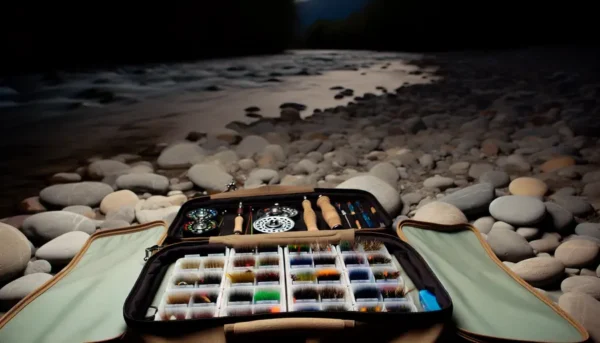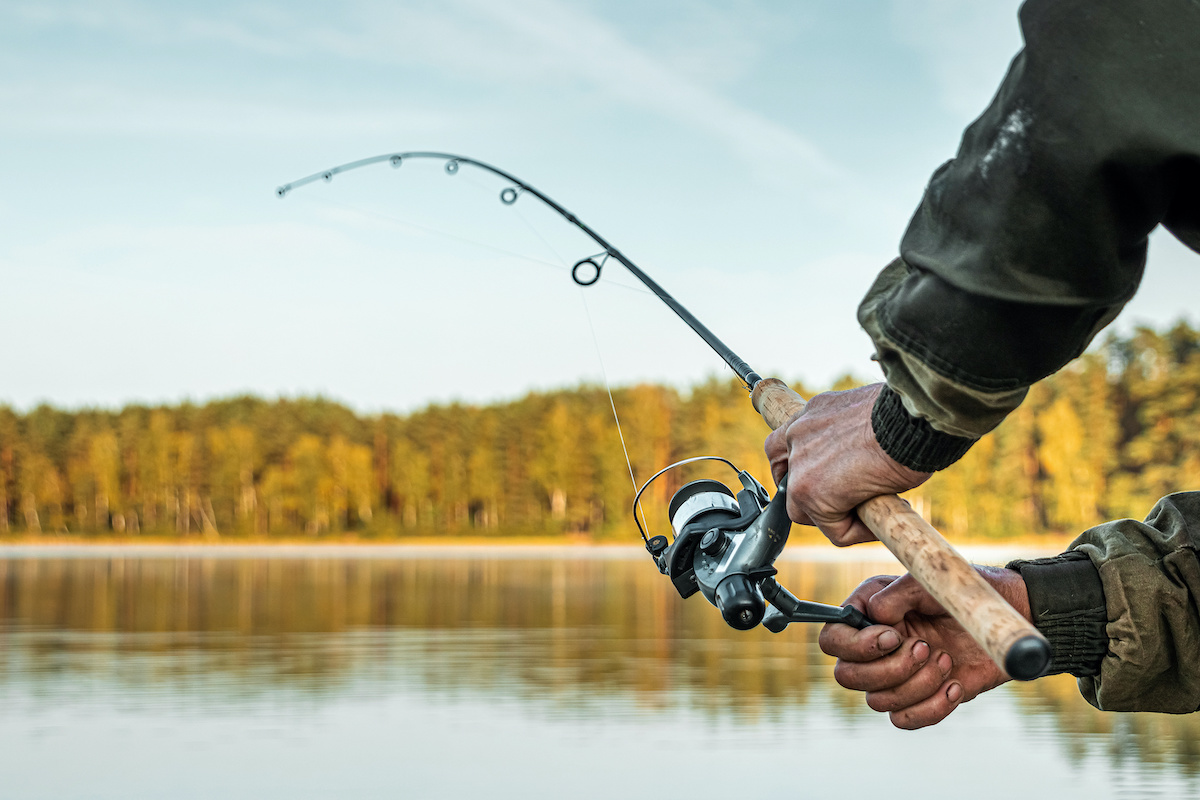
The art of angling has been a cherished tradition for generations. This timeless endeavor draws both recreational anglers and seasoned veterans to the water’s edge in pursuit of the ultimate fishing rod tips to achieve the perfect catch. At the heart of this ritual lies the fishing rod, a tool of both nuance and necessity. In this article, we offer the ultimate fishing rod tips for maintaining, repairing, and selecting the ideal equipment for your excursions.
Understanding Fishing Rod Maintenance
Maintaining your fishing rod is crucial for ensuring its longevity and performance. Rinse your rod with fresh water after each trip to remove salt or grime that might compromise its finish and functionality. Use a soft cloth to clean the rod, focusing on the guides and reel seat. Salty environments, like those in Florida, can erode the guides, compromising their integrity.
Take the advice of a Pacific Northwest fisherman: applying gentle oil on the guide frames can prevent rust. Regular inspections are key. Look for nicks or abrasions in the rod blank, check for cracks in the guides, and ensure the reel seat is secure. By scheduling regular maintenance, you can avoid disappointment on the water and prevent mid-cast snaps from unchecked flaws.
Repair Tips for Common Fishing Rod Issues
Fishing rods are prone to wear and tear. Knowing a few fishing rod tips for common repairs can save both time and money. If a guide comes loose, use epoxy adhesive and thread to secure it back in place. Match the thread closely to the original wrapping for a seamless repair. This attention to detail is similar to the meticulous rod builders in Oregon.
For a broken tip, purchase a replacement tip top and appropriate adhesive. Measure twice to ensure a precise fit that restores the rod’s function without needing a complete replacement. If a butt section feels uncomfortable, new grips from manufacturers like Penn can provide a remedy. These repairs add new life to cherished equipment.
Choosing the Right Fishing Rod
Selecting a fishing rod can be overwhelming. Consider the type of fishing you’ll be doing. A lightweight spinning rod may be perfect for bass fishing in Lake Erie, while a heavy action rod might suit pulling catfish from the Mississippi River.
Considerations extend to rod length and action. Rods over seven feet offer additional casting distance, ideal for shorelines or shallow flats in the Gulf Coast. Shorter rods fit boat fishing where space is tight. Material choice matters too—graphite rods are lightweight and sensitive, ideal for jigging snapper, while fiberglass rods withstand offshore species’ power like tuna. Seek advice from local tackle shops or online communities familiar with local conditions.
Fishing Rod Tips for Optimal Performance
Performance can often be enhanced by adjusting your setup based on seasons and local patterns. During spring, a medium-action spinning rod paired with a Carolina rig performs well in dense cover. In autumn’s cooler waters, a fast-action baitcasting rod with slow-rolling crankbaits may succeed.
Ethical and safe fishing is important too. Store rods securely in vehicles or boats to prevent accidents and reduce damage. Anglers in crowded spots like the Great Lakes use rod sleeves to minimize these risks, preserving gear for multiple seasons.
Insights from the Pros and Local Hotspots
Leverage local insights from fellow anglers or guides to understand gear specifics for your target species and conditions. Local knowledge can reveal hotspots or unconventional rod choices. For example, Lake Guntersville anglers use lures mimicking native baitfish to dictate rod choice for bass fishing.
Mastering these fishing rod tips aids your pursuits, whether along a river, creek, or ocean. The journey involves preparation as much as the catch itself. With the right rod care, repair knowledge, and selection strategy, every cast brings you closer to success. Remember these insights for your next trip, making every moment on the water a chapter in your angling adventure.