Do Beavers Eat Fish? Understanding the Diet of North America’s Most Iconic Builder
Do beavers eat fish? This is one of the most common questions asked by hikers, nature lovers, and curious kids exploring riversides from Oregon to Alberta. It’s easy to see why—beavers live in water, build elaborate dams, and share habitats with fish. But the answer may surprise you: beavers do not eat fish. Despite their aquatic lifestyle, these remarkable animals are strict vegetarians, thriving on a plant-based diet that supports their unique way of life.
The beaver’s diet—and its ecological impact—offers a fascinating glimpse into the role this rodent plays in shaping North America’s wetlands. In this article, we’ll explore what beavers actually eat, where to spot them in the wild, and how you can enjoy educational wildlife-watching experiences that debunk long-standing myths about these incredible animals.
What Beavers Really Eat: Plant-Based Masterminds
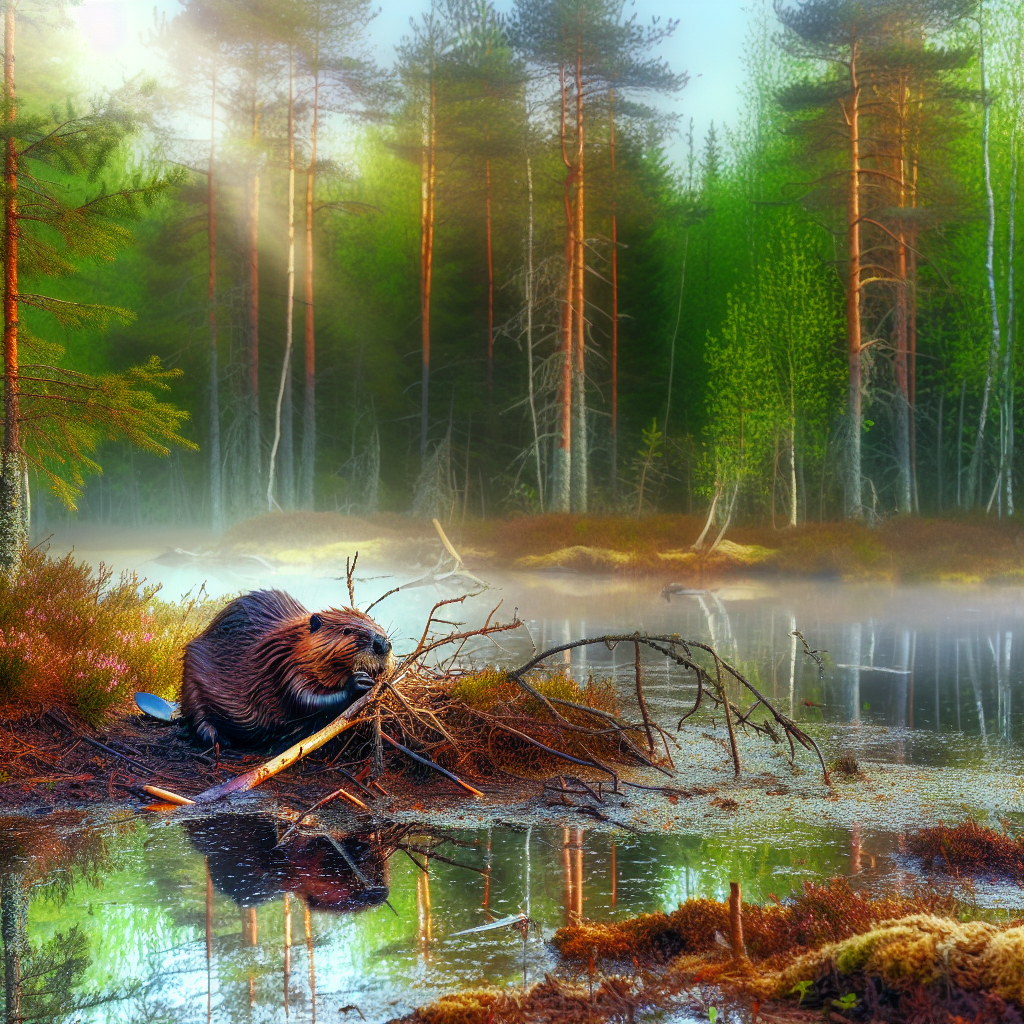
The answer to Do beavers eat fish? is a definitive no. Beavers are herbivores with a diet centered around bark, twigs, and soft aquatic plants. Their favorite meals include the cambium layer from trees like aspen, birch, and willow, as well as summertime snacks like pondweed, cattails, and water lilies. In colder months, they access submerged food caches near their lodges, feasting on strategically stored branches stripped of their nourishing bark.
These rodents are expert woodworkers, with chisel-like incisors made for gnawing through trunks and saplings—not for catching fish. Unlike otters or mink, beavers lack both the physical adaptations and dietary needs to consume meat. Their digestive systems are optimized for cellulose breakdown, meaning plants provide all the energy they need to survive and engineer ecosystems with impressive sophistication.
Interestingly, beaver activity often aids fish populations rather than harming them. By creating dams that slow water flow and create stable pools, beavers improve spawning grounds for species like salmon and brook trout. These wetlands also cool water temperatures and reduce sediment, providing ideal fish habitats.
Top Destinations to See Beavers in Their Natural Habitat
Still wondering, Do beavers eat fish? One of the best ways to find the answer—and connect with nature—is to see beavers up close in the wild. Across North America, these animals thrive in wetlands, rivers, and lakes bordered by deciduous forests. Below are some top destinations for unforgettable beaver-viewing experiences.
Voyageurs National Park, Minnesota
Paddle through Sullivan Bay in the late evening, and you’ll likely see beavers ferrying saplings to their domed lodges. This boreal paradise offers interpretive trails like the Blind Ash Bay Trail, where visitors can spot chewed tree stumps and learn about the beavers’ essential ecological contributions.
Elk Island National Park, Alberta
Located just outside Edmonton, this park is teeming with wildlife. Early mornings on Astotin Lake provide excellent opportunities to spot beavers navigating their carefully constructed channels. Despite the presence of fish, there’s no fishing involved—for beavers, that is.
Lassen Volcanic National Park, California
On the Manzanita Lake Loop Trail, hikers often discover beaver lodges nestled among volcanic rock beds. Rangers here confirm that local beaver colonies thrive on lakeside willow—a diet completely devoid of fish, even though trout swim nearby.
Black Creek Wildlife Management Area, Vermont
This scenic wetland system offers gentle paddling routes ideal for spotting beaver activity and listening to the rich chorus of frogs, birds, and insects. Canoeing at dusk increases your odds of seeing a beaver’s silhouette gliding across the water—never in pursuit of fish, always branches in tow.
Why the Myth Persists: Beavers and Fish Misconceptions
You may still be asking, Do beavers eat fish? since the myth seems so widespread. The confusion often arises from their aquatic homes, where they cohabitate with fish, and from early settler misconceptions. Observers unfamiliar with beaver habits may have assumed they ate what they lived among—just as otters or muskrats do.
Media portrayals have only fueled the wrong idea. Illustrated stories and cartoons occasionally show beavers munching on fish, casting them inaccurately alongside other river-dwelling predators. However, beavers are gentle herbivores, entirely uninterested in any meal requiring pursuit or capture.
In reality, their presence enhances aquatic ecosystems. Studies from British Columbia’s Chilcotin Plateau show that beaver dams benefit trout populations by stabilizing stream temperatures and creating ideal environments for fish to spawn and grow. Far from being a threat to fish, beavers are often their unlikely allies.
Educational Outdoor Fun: Learn About Beavers as a Family
Families eager to answer the question Do beavers eat fish? while exploring nature have several fantastic destinations to choose from. These spots mix hands-on education with outdoor adventure, turning common myths into teachable moments complete with memorable wildlife encounters.
- Beaver Creek Reserve, Wisconsin: Featuring a nature center, forest trails, and wetland boardwalks, this reserve offers self-guided and ranger-led experiences. Visit just after winter when dams swell with meltwater and beaver signs are visible everywhere.
- Lost Lagoon, Stanley Park, Vancouver: Look beyond the skyline to find early-morning beaver activity. Educational signage explains their vegetarian diet and eco-friendly habits in one of Canada’s busiest urban parks.
- Beaver Lake Nature Center, New York: Just outside Syracuse, explore 9 miles of trails and engage in nature programs focused on local wildlife. Rangers dispel the fish-eating myth through seasonal workshops and canoe tours.
- Springbrook Nature Center, Minnesota: Located near Minneapolis, this center is a hub of environmental learning. Walk through a full-scale beaver lodge and hear naturalists explain how these animals build entire wetland communities—without ever hunting fish.
These family-friendly spots provide more than just fun—they foster curiosity and a deeper understanding of ecosystems through real-life observation and interpretation.
Solo Adventures: Tracking Beavers Off the Beaten Path
For solo explorers seeking serenity and wild encounters, beaver tracking offers a unique way to experience nature. Quiet signs such as muddy slides, gnawed saplings, and the occasional tail slap lead you to hidden worlds where these creatures transform landscapes—without ever touching a fish.
Explore remote trails like Colorado’s Beaver Ponds Trail near Independence Pass. This moderate loop winds past pond-filled meadows shaped by years of beaver construction. Arrive at dawn or near sunset for the best chance of sightings—watch for a silhouette dragging willow limbs rather than chasing fish.
In Ontario’s Quetico Provincial Park, seasoned paddlers find that beaver dams shape portage routes and form backcountry lakes full of life. Outfitters in nearby Atikokan offer route planning, gear, and advice for navigating these enchanting beaver-shaped waterways. Just be sure to keep your distance—observing is better than disturbing.
Discovering the Truth About Beavers and Their Plant-Based Power
The next time someone asks Do beavers eat fish?, you can confidently say no—and explain why this myth deserves to be retired. Beavers are more than remarkable builders; they are stewards of rich wetland environments that support countless other species, including fish.
Whether you’re exploring a national park, paddling a northern lake, or walking a quiet family trail, appreciating beavers for who they are leads to a more thoughtful connection with nature. Their vegetarian habits, gentle manner, and hardworking spirit make them true icons of ecological balance.