Choosing the Right Trout Fishing Gear for Every Adventure
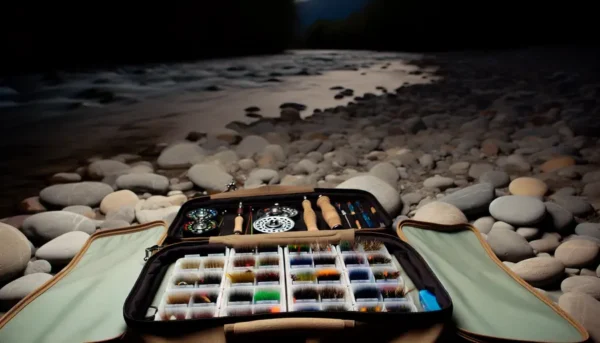
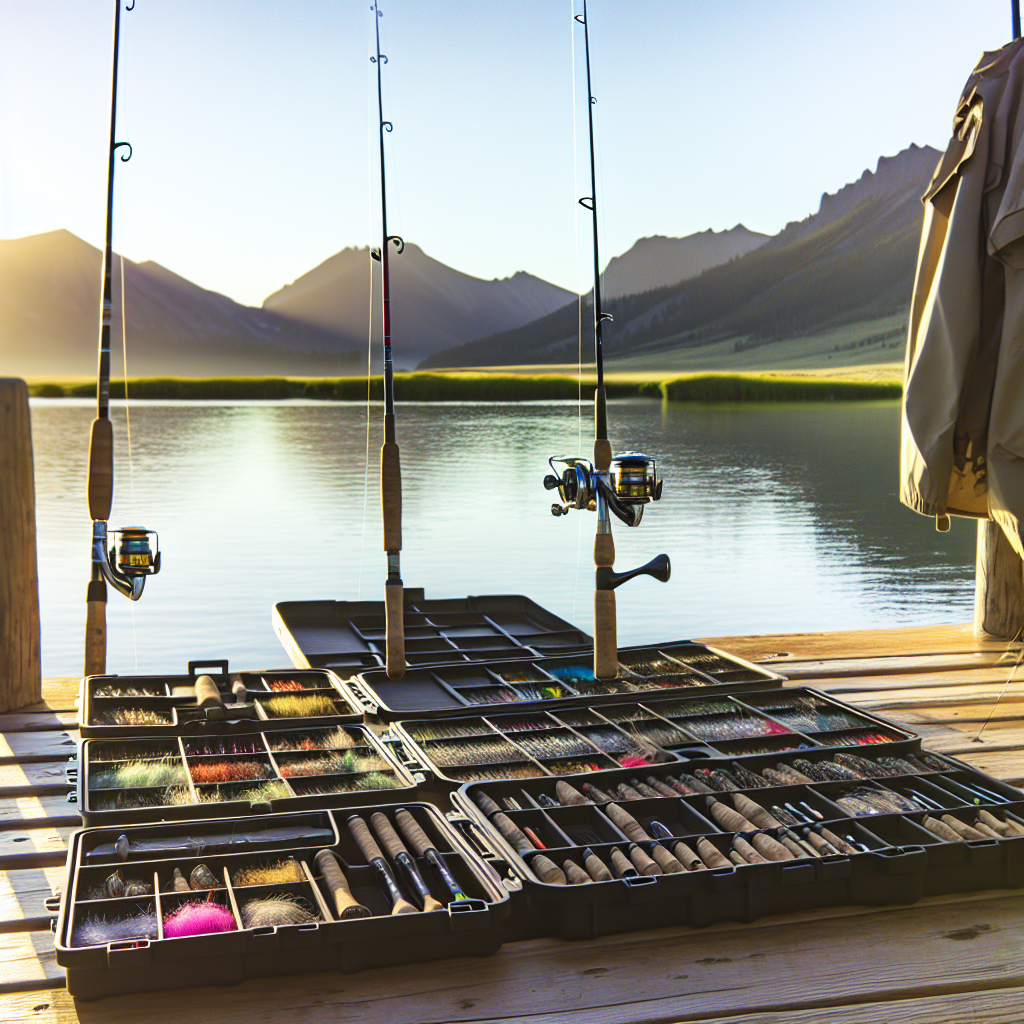
Trout Fishing Gear is the foundation of any successful angling adventure. Whether you’re exploring Montana’s untouched rivers, casting from the banks of Lake Tahoe, or hiking into the Appalachian backwoods, the right gear determines your experience. Having the correct rod setup, line configuration, and region-specific tackle significantly boosts your chances of landing fish while making every moment on the water more enjoyable. From solo wilderness excursions to family day trips, choosing properly tailored gear ensures you’re prepared for streams, creeks, and high-altitude lakes alike.
Rod and Reel Combos: Match Your Setup to the Environment
At the heart of every trip is your rod and reel. For fly fishing, a 5-weight rod between 8.5 and 9 feet handles everything from tight streams in the Appalachians to wider rivers in Colorado. Fly anglers often succeed with setups like the TFO Pro II, valued for its balance between affordability and performance in diverse conditions.
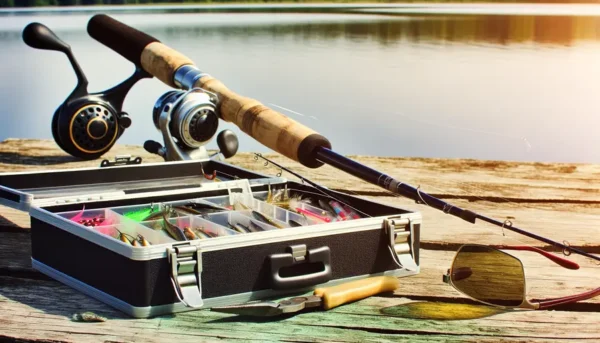
If you’re using a spinning setup, go for a lightweight rod between 5.5 and 7 feet paired with a 1000- or 2000-series reel. These are especially effective in compact streams or alpine lakes. Families enjoying summer trout runs near the Sierra Nevada often pack two-piece combos that are compact, easy for kids to handle, and durable for trail transport.
Renting? Outfitters in Jackson Hole or Asheville provide local insights tailored to current hatch cycles and water levels, helping you dial in the perfect rig.
Lines, Leaders, and Tippets: Fine-Tuning Your Presentation
Many anglers overlook the vital role line setup plays in success. Fly fishers should use floating, weight-forward lines for versatility. Match that with a 9-foot tapered leader and 5X or 6X tippet for natural drift presentation. This configuration performs well in heavily fished locations like Oregon’s Metolius River or Pennsylvania’s LeTort Spring Run.
For spinning reels, spool 4- to 6-pound monofilament for low visibility and sufficient strength. Clear water settings, such as Banff National Park, demand stealth. Avoid braided lines unless you’re targeting trout in stained or turbulent water with backup fluorocarbon leaders.
In rivers like California’s Truckee, experienced anglers recommend carrying several pre-rigged tippet and leader lengths. This approach saves time and keeps you fishing when snags occur under submerged logs or cutbanks.
Bait, Lures, and Flies: Match the Hatch and Water Type
Effective bait and fly selection depends on both season and location. In Montana’s Gallatin River, trout rise for elk hair caddis flies on summer evenings. In Vermont’s Mad River, patterns such as the Hare’s Ear and Pheasant Tail remain productive through spring and early summer.
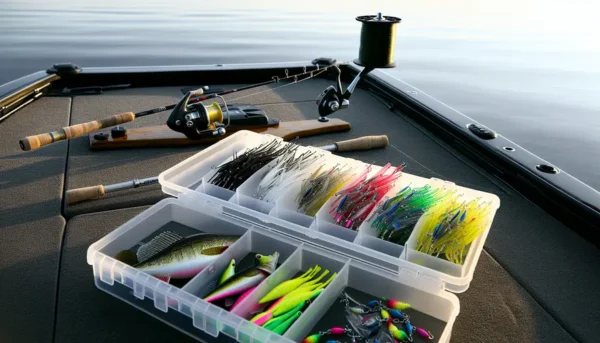
Spinning with inline spinners like the Panther Martin or Mepps (sizes 0–2) delivers consistent results in fast-moving rivers like Idaho’s Clearwater. Meanwhile, bait like corn or dough produces well near stocked areas on the White River in Arkansas, making it a hit with families and beginner anglers alike.
Check in at local fly shops for region-specific patterns. Many shops, especially in towns like Livingston, MT or Durango, CO, offer hatch charts and real-time conditions. Their local expertise can help you tweak your Trout Fishing Gear for maximum effectiveness.
Seasonal and Regional Gear Considerations
Your Trout Fishing Gear should evolve with seasonal shifts. In spring runoff, choose high-visibility streamers and bright lures to stand out in muddy water. Summer calls for subtle presentations—dry flies during cooler dawn and dusk hours, and nymphs during midday lulls.
Fall is prime season for aggressive trout feeding ahead of winter. In areas like Utah’s Provo River, egg patterns and large streamers shine in spawning runs. In alpine zones such as Indian Peaks Wilderness, creek levels fluctuate—pack collapsible wading systems and layers to adapt to cold snap conditions.
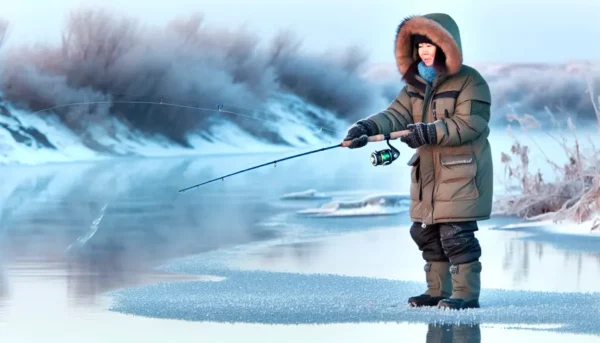
Conversely, the Appalachian streams of the Smokies require lighter gear and stealth tactics to target native brook trout in crystal-clear waters. For year-round action, the tailwaters of New Mexico’s San Juan River offer consistent flow and large trout, even in winter months. Be sure to pack insulated neoprene waders and gloves to stay warm.
Apparel and Safety Essentials for Trout Angling
Proper clothing enhances both comfort and safety. In cooler months or mountain rivers like Oregon’s McKenzie, breathable chest waders protect from cold while allowing mobility. Summer anglers often prefer wet-wading sandals or fast-drying shoes around rivers like the Kern or Davidson, where air and water temperatures are mild.
Always dress in layers. Start with moisture-wicking base layers, add midweight fleece, and keep a waterproof shell in your pack. This system prepares you for unpredictable weather shifts—especially common in areas like Rocky Mountain National Park.
Include a wading belt, polarized sunglasses for better visibility, and a waterproof backpack to carry snacks, extra gear, and safety items. Families benefit greatly from wearing gear pouches for hands-free convenience, especially when assisting young anglers along slippery riverbanks.
Off-the-Beaten-Path Spots for Serious Trout Enthusiasts
While the Madison and Lamar rivers are well-known, lesser-known streams offer solitude and excellent fishing. Northern New Mexico’s Rio de los Piños is one such gem, winding through remote canyon landscapes with healthy populations of wild cutthroat trout.
In Massachusetts, the tailwaters of the Deerfield River host reliable insect hatches, making it a favorite of local fly clubs. In Utah, Huntington Creek offers easy access with wild trout abundance—perfect for short family excursions.
For secret spots, inquire at local bait shops or ranger posts. In Colorado’s San Luis Valley, asking around could lead you to the Middle Fork Conejos River, a remote stretch filled with feisty trout and far from the tourist trail.
Family-Friendly Trout Fishing Destinations
Not all trips need to chase trophies. Some of the best memories come from easy-access lakes and gentle creeks, perfect for beginners. California’s Mammoth Lakes Basin offers accessible platforms, regularly stocked trout ponds like Horseshoe Lake, and scenic backdrops ideal for families.
Wisconsin’s Driftless Area, especially the West Fork Kickapoo, provides shallow streams and ideal learning spots. Its clear water and frequent stocking keep young anglers engaged and excited for each cast.
Select user-friendly gear like spincast reels—Zebco 33 remains a classic for good reason. Using barbless or circle hooks keeps everyone safe and simplifies releasing fish, making the experience more fun for newcomers.
Crafting the Perfect Trout Fishing Gear Kit
Success on the water is no accident—it starts with having the right Trout Fishing Gear. Whether venturing into British Columbia’s wild backcountry, enjoying a cabin trip near Lake Placid, or driving through Idaho’s famed Henry’s Fork, your gear should match your goals and the region’s needs.
Being prepared with suitable rods, tried-and-true tackle, adaptable clothing, and local knowledge doesn’t just increase your catch rate—it enhances your connection to nature. Trout fishing is more than landing fish; it’s about seizing peaceful moments, creating shared memories, and immersing yourself in the beauty of each unique waterway.