Using drones in fishing is transforming the way outdoor enthusiasts, solo anglers, and adventure-loving families explore their favorite waterways. What was once a blend of patience and traditional skill is now enhanced with smart technology that makes fishing more precise, productive, and accessible. From Oregon’s rugged coastline to Queensland’s unspoiled beaches and Alaska’s wild rivers, drones are opening up new possibilities—reaching distant waters, increasing catch efficiency, and creating memorable experiences the entire family can enjoy.
Originally developed for aerial photography, modern drones now come equipped with fishing payloads, sonar scanners, and GPS-powered routes. Anglers use these tools to scout terrain, drop bait with pinpoint accuracy, and track schools of fish—all without leaving the beach or kayak. However, while the benefits are exciting, it’s important to be aware of legal, environmental, and technical factors. This guide dives deep into using drones in fishing responsibly and effectively, especially in some of the world’s most epic angling locations.
Top Drone Fishing Destinations Around the World
Choosing the perfect location is essential when using drones in fishing. Ideal destinations offer open spaces, fish-rich waters, and friendly regulations—all crucial factors when flying for bait drops or fish scouting.
Ninety Mile Beach, New Zealand is a favorite among surfcasters, especially near Ahipara. Here, drones fly bait hundreds of meters offshore, targeting large snapper and kingfish. The area even hosts an annual drone fishing competition in Kaitaia.
In the Florida Keys, near Big Pine Key, drone anglers frequent flats and reefs looking for tarpon, permit, and bonefish. Early mornings with low winds offer prime conditions. Be cautious near airports such as Key West International—FAA rules strictly prohibit drone flights in these zones.
The Coral Coast in Western Australia—from Kalbarri to Exmouth—features vast beaches and consistent wind conditions, perfect for launching. Tuna and mackerel often swim within drone range. Some local shops even rent ready-to-use drone fishing kits to travelers.
Freshwater devotees should consider Alaska’s Kenai River. Its open banks are ideal for drone scouting during salmon runs. Fly fishers use drones to spot ideal casting zones. Always consult the Alaska Department of Fish and Game before flying—wildlife safety regulations are strictly enforced.
Drone Fishing Gear and Techniques Explained
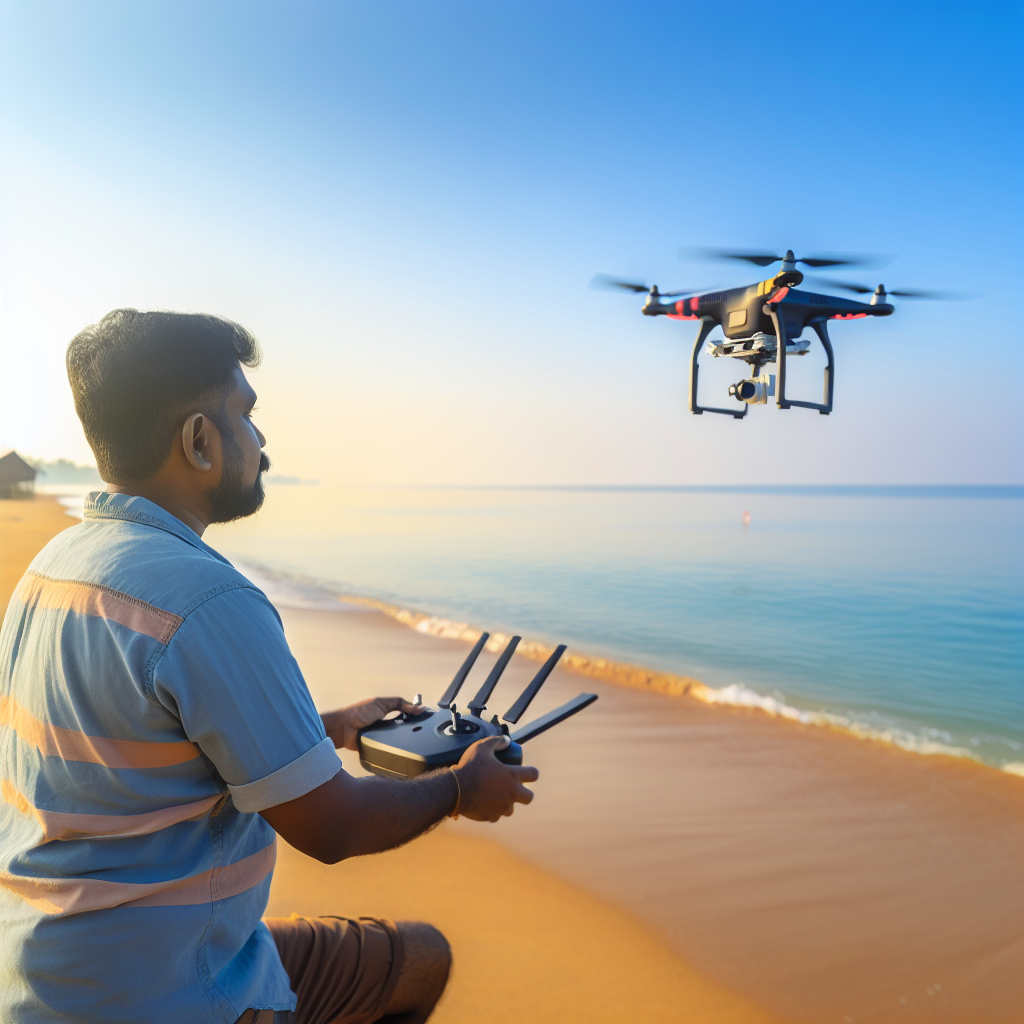
Most anglers using drones in fishing apply one of two methods—bait deployment or fish tracking. The simplest technique is drone bait delivery, which flies a baited line far beyond casting distance and releases it via a mechanical or magnetic hook system. This method shines in coastal surf or settings with deep offshore drop-offs.
Advanced users employ drone-mounted sonar systems or link to fish-finding buoys. These high-tech setups identify thermal contrasts and underwater schools, streamlining where to fish. Top models like the SwellPro SplashDrone 4 and PowerEgg X offer waterproofing, 4K drone cameras, and multi-drop bait systems.
When selecting a drone for fishing, consider the following:
- Payload capacity: Minimum of 500 grams (1.1 lbs) to carry bait and rigging.
- Wind resistance: Should sustain conditions up to 25 kph (15 mph).
- Battery life: 20+ minutes ensures time for travel and drop execution.
- Waterproof design: Essential for coastal surf and boat launches.
If you’re new to the hobby, practice in safe, obstacle-free areas. Hawaii’s Kaneohe Bay and Anaehoomalu Bay offer ideal conditions for beginners—smooth water, open shoreline, and vibrant scenery to capture unforgettable footage as you practice basic operations.
Drone Laws and Environmental Awareness
Using drones in fishing requires full awareness of local regulations and ecological responsibilities. Rules vary depending on country, region, and habitat zone.
In the United States, all recreational drone pilots must take the FAA’s TRUST test. Your drone must fly under 400 feet and stay within your line of sight. Avoid no-fly zones like national parks and controlled airspace—apps like B4UFLY are helpful for confirming drone legality.
Australia enforces rules via CASA, which include staying 30 meters from people and steering clear of marine mammals like whales and dolphins. Increased marine sanctuary protections exist in popular tourist destinations like Coral Bay or Byron Bay—check with the Department of Primary Industries for clear guidelines.
Environmentally, drones can disturb bird habitats. Avoid flying over wetlands, rookeries, or island nesting grounds. Responsible use protects biodiversity and keeps fishing areas accessible for the future.
Fishing Wisdom from Local Drone Users
Local insights can dramatically enhance your success when using drones in fishing. Techniques, wind patterns, and fish behavior often vary by culture and region.
In South Africa, particularly around Jeffreys Bay, drone surf fishing is well established. Locals advise flying during the hour before sunset when beaches are quiet, wind drops, and inshore fish activity increases—ideal for kob targeting with offshore bait drops.
On Scotland’s Isle of Skye, drone fishing for mackerel is gaining interest. Sheltered towns like Portree offer launch protection from harsh sea breezes. Local families recommend non-metallic bait release systems to prevent bird interference from gannets and gulls.
In Hokkaido, Japan, anglers merge traditional fly fishing with drone scouting on rivers such as the Akan. Using drones to locate prime holding pools upstream saves time and offers an educational experience for young anglers learning seasonal migrations and depth patterns.
Smart Packing for a Drone Fishing Trip
Planning a trip that includes using drones in fishing means preparing beyond the basics of rod and reel. Smart packing ensures convenience, safety, and versatility in the field.
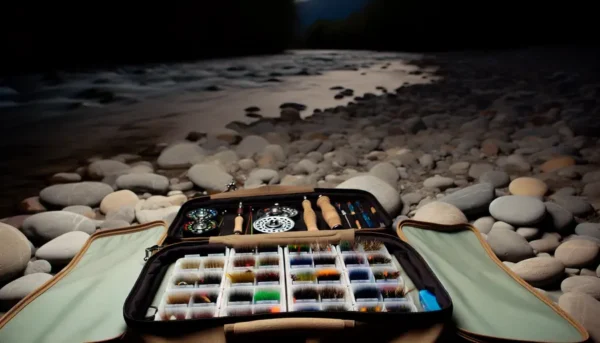
Your kit should include drone-specific items—extra propellers, waterproof cases, a battery-safe storage bag, multi-chargers, and field repair kits. Also consider launching shade with a pop-up shelter, which can extend battery life by preventing overheating on sunny days.
Many families along the Sonoma Coast in California turn drone fishing into a beach-day outing, complete with chairs, food coolers, and activity zones for kids. Public areas like Salmon Creek offer long beaches with few flight hazards and exciting views—plus frequent wildlife sightings like seals and otters.
Drone gear also enhances kayak fishing. In Desolation Sound, British Columbia, for instance, fishermen use drones to pre-drop bait into hot zones, then paddle in with rod and line for direct action—combining exploration, aerial mapping, and up-close fishing in pristine terrain.
Hook the Future: Final Drone Fishing Insights
Using drones in fishing is more than a tech trend—it’s redefining what modern angling looks like. Whether you’re launching from the beach, drifting on a kayak, or teaching your kids how to fly, drone-assisted fishing blends exploration, challenge, and outdoor learning. With the right equipment, attention to local laws, and respect for the natural world, you’ll unlock new waters, boost catch rates, and create stories worth sharing.
Ready for your next great angling adventure? Grab your drone, check your flight zone, and head to the water—your biggest catch yet could be just one aerial drop away.